Photography is an art that is getting popular with every passing day. One thing that is for sure is that it comes from a place of passion. Earning from something you love doing is amazing right? That is why transitioning into commercial photography is the dream of every photographer, whether established or aspiring.
Let’s pause here for a bit and bring editorial photography into the picture. Did you know that editorial photography is the pathway into commercial photography? Knowing the difference between the two types of photography is important. That being said, if you have been a photographer for a while now, chances are high that you have done a couple of jobs for editorial purposes. And if you are an aspiring photographer, this is, indeed, a great platform for you to begin before you start doing commercial jobs. Either way, shooting for editorial publications gives you the impetus to eye for a place in the profit-making arena with great enthusiasm.
Let’s dive in to learn why editorial photography is the door you need to stir up your commercial potential.
Building a Strong Portfolio
Shape yourself first so that you can start walking tall. How do you do this? It’s very simple. Build a portfolio. As you do this, you will be putting up a foundation to shape you as you look forward to starting making money from your camera. Your future clients need to know where you are coming from and how far you are willing to go. Essentially, as you keep up with your editorial gigs, you will build a strong portfolio since you will bring together a wide range of your finest works. For every work you do, you receive credit for it and it gives you a voice in the commercial world.
As you engage more in taking images for editorial clients, you will know what you are able to capture well. In other words, this is where you are at your best. Finding your voice is finding your perfect skill set and using it to transit to better-paying opportunities, working for high-end clients.
An important tip in building a strong portfolio is making sure that you are consistent. This means that you have to maintain the way you tell your stories with your camera. Don’t lose any element, and you will be opening your way into lucrative business deals.
Brightening and Sharpening the Capacity to Tell Stories at a Deeper Level
Images tell stories that words can’t. Is your ability to tell beautiful stories sharp enough for you to work with big advertising agencies? As you anticipate switching to commercial photography, you should be adept at telling stories with your lens. Remember, this is a skill that comes with time, and the best place to develop it is in editorial photography. At this level, you are capturing images to educate a particular audience.
For you to tell a story that people can relate to you have to be good at what you do, right? The reason why editorial publications use a photographer’s images is because of his or her skill at capturing the imagination of an audience and making them gravitate their thinking towards a particular direction. Will this not be the perfect training ground for you as you aspire to get better and higher-paying deals? In commercial environments, you have to bring your A-game. You will be capturing images according to the standards and needs of your clients. The good news is that your editorial works will brighten and sharpen your capacity to tell stories at a deeper level. You will rise to become meticulous, creative, and perfect when working in a business setting.
Marketing Your Work
Have you seen photographers rise to become highly sought-after experts? What is their secret really? The answer is marketing. Could be you are asking how the marketing process works. It’s very simple.
Your editorial works will do the talking for you. They will position you strategically in the commercial landscape. This is where your portfolio will come in handy. As you build a strong portfolio, you will be marketing your skills and abilities further in your craft. In other words, editorial photography is a marketing building block that you should never underestimate at all. The fact that you are being paid lesser than a commercial photographer doesn’t mean that you are wasting your passion. On the contrary, if you do a great job and you get noticed by big advertising agencies, you will find it easier for you to fit into the commercial space. Be bold enough to open a commercial gallery where your work can be seen by potential clients.
There are online platforms where you can market yourself at. Flickr, 500px, Viewbug, and many more. These are good examples. Since advertising companies are familiar with these sites and they visit them quite often, you will be increasing your prospects of being spotted. Isn’t this a great way of marketing yourself into a rewarding commercial world?
Building the Much-Needed Experience
You will need the confidence to succeed in this competitive industry. Your achievements as a commercial photographer will depend on how you are able to express confidence in what you do. Undoubtedly, the quality of your work is a reflection of the level of belief you have in what you do.
The genesis of your confidence as a photographer is experience. The amount of time, energy, resources, and passion that you invest in as an editorial photographer is not in vain. It accumulates to give you great rewards when you transit to work with renowned brands. Truth be told, you can never compare a photographer who gets directly into the photography business world with the one who gains experience as an editorial photographer first. There is so much to learn about this art before you get into the money-making sphere. Don’t ignore the capacity of taking photos for educational publications to prepare you for higher-paying advertising opportunities. There is so much competition in the market right now. You can’t walk into it when you are not yet ripe. This is the door you need in order to get into lucrative photography deals in the future.
Certainly, the future of photography is bright. There is so much market potential out there for you to put your passion into action. Just like in any other craft or business, there is always a place to begin, and a place to build your skills further. Editorial photography is such a place if you want to go commercial with a bang! Hence, consider investing more in it as it will push you to see the larger picture of the business world.
These do vary from portrait shots, as those can include the body. If the shot goes below the shoulders, it can no longer be referred to as a headshot.
Business headshots have been on the rise over the last several years. Once reserved just for those in acting and modeling, headshots are now almost a requirement for corporate workplaces.
Companies want to showcase their employees and attendees on their websites or online directories in our digital age. Headshots have become the way to do that.
Also, as online professional networking opportunities arise, professionals with profiles on networks such as LinkedIn need a professional headshot. Another good candidate for headshots is professionals and business owners with their websites. They can show off a good headshot in the About Us section of their site to create a human connection.
Some companies may want their headshots conducted against a traditional type of backdrop. That is completely fine.
A business has a specific ethos they want to convey. And if posing their employees against that backdrop is how they get that ethos, that is ok. But those backdrops aren’t the only places you can shoot these sessions. You don’t have to shoot them inside at all.
As these shots have expanded from their more austere origins, so have the places these sessions can happen. The outdoors opens up a whole new world of backdrops for headshots. Just because the focus is on the person doesn’t mean they can’t have some gorgeous foliage behind them.
One of the keys to a terrific headshot is to play with the angles, poses, and expressions. Corporate headshots may not permit you this creativity, but take it wherever you find it!
Another way to get a fantastic headshot is to engage with your client and keep talking while setting up lights. Break the ice.
Keep shooting
Keep shooting even when fixing poses or taking a break. I can’t tell you how many times I’ve got a money shot by keep shooting and capturing that candid and natural headshot, which is essential in commercial brand photography. You want to look natural without any noticeable wrinkles, as people love it because you get the authentic side of them.
Lighting
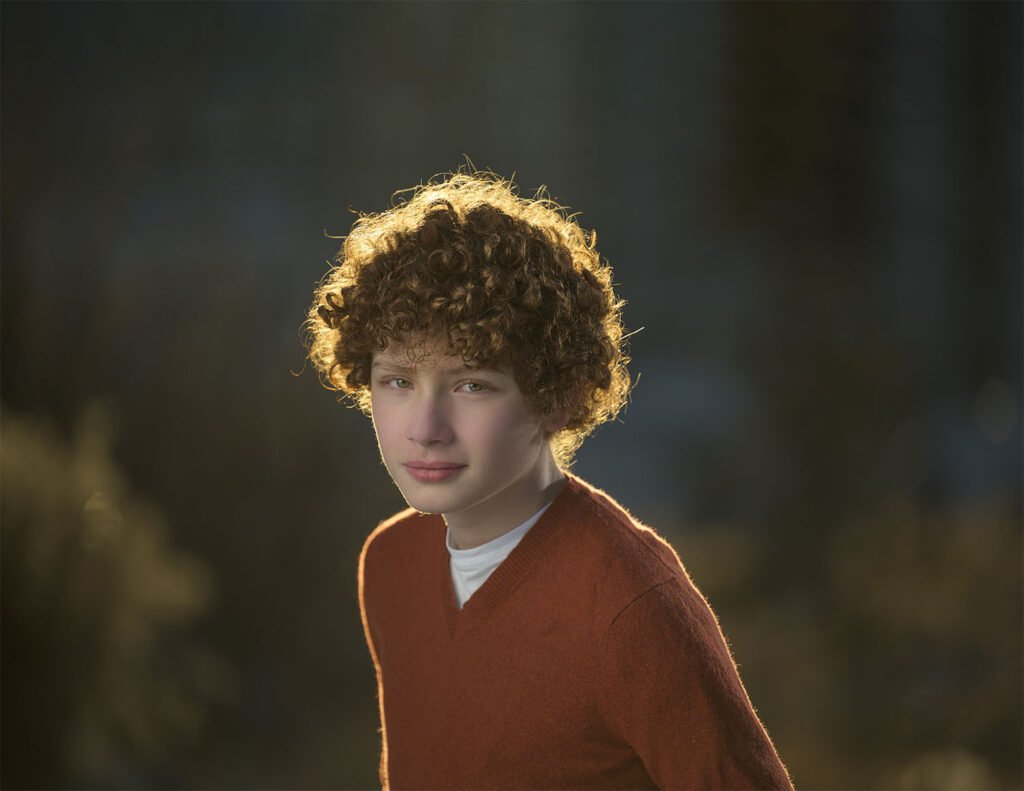
Lighting is another excellent way to improve the quality of your session with your client. Lighting is one of the best ways to jazz up those headshot sessions where you don’t get as much creative freedom. You need to bring out their eyes, first and foremost. Get your lighting to pull out that feature. See if you can get it to bounce off their hair. Play with these elements to bring a new level of dimension to your shot.
Objective
The best thing you can do for your headshot session is talk to your client before you begin to observe their goals.
Find out why they are getting headshots done in the first place. Knowing why they need the photoshoot done gives you more room to play and create what types of shots you want for the session. If someone is a fashion designer, you will conceptualize their shoot differently than a writer or an accountant.
Encouragement and Pose
The most important thing you must do during your shoot is to keep your client calm. Not everyone feels comfortable in front of the camera.
Throughout your shoot, give words of encouragement to your subject.
If your client feels awkward posing for pictures, your encouragement can mean the world and help you achieve a much more productive result.
In addition, to support, don’t forget to give your client additional instructions for a pose. If they need to tilt their chin, change their gaze, etc., make sure to call those things out to them. This will help you get the variety of shots you need. You can check my blog post about the psychology of headshot photography.
Conclusion
I hope this overview is helpful so that you understand what a headshot is and how to get the best shots of your clients. These are an essential part of our digital world. They can be more than the classic shots you have seen on LinkedIn. If a photographer goes outside the box, these photoshoots can have a great deal of magic.
Your headshot is often the first impression you make on potential clients, employers, or colleagues. It’s your chance to showcase your personal brand and communicate your professionalism and confidence. But how do you choose the perfect outfit for your headshot? Dressing for success can be a daunting task, especially when you want to strike the right balance between stylish and appropriate. That’s where I come in. As a digital marketing assistant with a knack for writing and content creation, I’ve helped many clients build their personal brand through their online presence. In this article, I’ll share some tips and tricks on how to choose the perfect outfit for your headshot, so you can stand out from the crowd and make a lasting impression. Whether you’re a business professional, an entrepreneur, or a creative freelancer, dressing for success is key to achieving your goals. So let’s dive in and discover how to dress to impress!
Importance of a Professional Headshot
A professional headshot is one of any professional’s most important marketing tools. It can be used on your website, social media profiles, LinkedIn, business cards, and promotional materials. Your headshot is a representation of your brand, and it communicates your personality and professionalism. Therefore, it is essential to ensure that your headshot is high quality and accurately represents you.
Colors to Consider for a Headshot Outfit
Choosing the right colors for your headshot outfit is crucial. You want to choose colors that complement your skin tone and hair color.
Neutral and solid colors are the best option for headshots because they provide a clean and professional look. Colors such as black, gray, navy, and beige are effective in creating a strong and polished image. These colors are versatile and easy to match with different outfits, making them ideal for many headshot genres.
Avoid overly bright or bold colors as they can distract and draw attention away from the subject’s face. Bright colors can also cast a color cast on the skin, which can be unflattering in photographs.
When choosing colors for your headshot outfit, consider the background and lighting. It’s best to avoid matching your outfit to the background, as it can cause you to blend in and become less distinct. Instead, choose colors that complement the background and create a contrast that makes you stand out. Sometimes, using the same color background and outfit could work if the background is in a lower tone than the subject’s outfit.
If you are unsure of what color to wear, it is always a good idea to consult with your photographer, as they have the expertise to advise you on the best colors for your skin tone and the background.
It is also a good idea to bring a few different color options, even if you think you know exactly what you want to wear. Sometimes, the color that you think will look best in photos may not be the case.
Colors could date your photograph. With fashion, prints and colors are limited to a specific season or year. Wearing those in your photo tells everyone looking at it when you took that photo.
Accessorizing for a Headshot
Accessorizing can add interest to an outfit and complement your branding. However, it is important not to overdo it. Choose one or two accessories that complement your outfit and represent your brand. For example, if you are a business professional, you may want to wear a watch or a pair of simple earrings. If you are a creative freelancer, you may want to wear a statement necklace or a pair of funky glasses.
Accessories can enhance the look of your photo and make it stand out from the rest. Here are some tips:
Keep jewelry simple and understated. A pair of small, stud earrings is usually a good choice. Avoid chunky or flashy jewelry, as it can be distracting.
Be mindful of hairstyle. Make sure your hair is styled and tidy, as your hair can be an important part of your professional headshot.
Consider your eyewear. If you wear glasses, make sure they are clean. Dirty glasses can show on your final photos.
Avoid heavy makeup, as it can create a harsh or unnatural look. Stick to natural, neutral tones, and avoid shimmery or glittery products.
Avoid over-accessorizing. Keep it simple, and don’t distract from your face with too many scarves, hats, or other accessories.
Hair and Makeup Tips for a Headshot
Your hair and makeup can make or break your headshot. Therefore, it is essential to take some time to prepare before the shoot. Make sure your hair is clean and styled in a way that complements your outfit. If you are unsure, consider hiring a professional hairstylist. For makeup, choose a natural and polished look. Avoid bold or trendy makeup that may distract from your face. Remember, the goal is to represent yourself accurately and professionally.
Types of Headshots
Actor Headshots
The headshots for actors have much more freedom about what they’re allowed to wear, since the goal of such shots is to depict who you really are. That’s why being yourself is more important than what you wear.
You need to look sharp and tidy. Dress accordingly to what your next casting will be about.
Headshots for creatives (writers, artists)
If you are in a creative profession, you want your personality to shine through. So you have a little more wiggle room than other professions for headshots. But you don’t want to push the envelope so far that no one takes you seriously.
The general tips above are expert advice to follow to pick colors and staying away from wild accessories. But the nice thing is you aren’t restricted to layers or suit jackets. If you want to wear single layers or sweaters, you can. You are not as constrained with colors either.
You don’t need to stick to the strict rules of mid-range colors. Just make sure you wear nothing that clashes with your skin, take the focus away from you in the picture, or will date the photo too much. You could also probably sneak in some timeless prints that won’t lock your shot down to a specific time period.
You can even have a little more fun with your accessories. Just like with colors, don’t go too far and take the focus off of your face. But you don’t need to stick with such simple earrings and necklaces.
Those who fall into this group will need the most formal and serious-looking versions of headshots. As much as we want people in these professions to be humans, these are serious jobs, and we want to know that the person we have hired in this role is a very serious person.
Doctors have it the easiest in this group. Their headshot will include the doctor’s lab coat over anything they are wearing. Men should wear a tie, and women should have a mid-range colored button-up shirt.
Others that fall into this category should wear business suits. That is what we like to see out of people in these fields, so that is what you should have on during your headshot. Keep everything fairly plain for your shoot, as well. Suiting should be gray, navy blue, or black. Only incorporate stripes if they are thin stripes. Bold stripes will take away from you during the photo session.
The shirting underneath your suiting should be subtle pops of color, but absolutely nothing too bright or too bold. It just doesn’t fit these professions. Apply the same rules to your tie. It should serve as a compliment, not a distraction.
Anyone else needing a headshot
This category is almost like a catch-all for anyone else who wants to add a headshot to their social media profiles or websites. You may not fit into one grouping above, but you still need to make sure you are putting your best foot forward.
You want to make sure you present a pulled-together image, but you don’t want to look too formal. A great way to achieve that would be to wear a blazer with a t-shirt underneath. The blazer will give you a look of authority, but not a formality. You can push the limits on the t-shirt in terms of color, but not too much. You want just a slight pop of color.
Women can follow these rules also and add just a little more style with a necklace or earrings. Instead of a classic chain, a woman could have a longer necklace with beads and hoops or long earrings instead of simple studs. You still look pulled together, but not too formal, not too casual.
Conclusion
I hope this article was helpful to you. No two headshots will be the same. And every person taking part in one of these sessions will want to add some type of fun flair to it. These are easy and fast rules. These are just useful tips to follow that will help the session run smoother and fall in line with industry standards. Always ask your photographer for his/her suggestions and feedback. Bring multiple outfits to a shot just to be on the safe side and to give both of you an array of options.
A commercial photographer takes photos for businesses. These images help sell or promote a product, service, or brand.
The main job of commercial photography is to meet business objectives. This can be to raise sales or make a brand stronger.
Some key types of commercial photography are product photography, food, fashion, lifestyle, and advertising photography for marketing materials.
A professional photographer takes care of every step. They plan, shoot, edit, and deliver the final images for advertising campaigns.
The images are licensed for use on websites, social media, brochures, and billboards.
Unlike other photography, commercial work is made to get customer engagement and clear results for the business.
Introduction
Have you ever thought about what goes into the eye-catching pictures you see in magazines, on websites, or on billboards? This is the world of commercial photography. It is about making strong visual content to promote or sell something. This is not the same as a quick photo you take for fun. In advertising photography, each shot is planned so it can grab your attention and help you feel close to a brand. Now, in a world where pictures are used everywhere, the work of a commercial photographer is more important for businesses that want to stand out.
The Essentials of Commercial Photography
Commercial photography is about taking photos that will be used for business needs. The goal is often to help a company sell a product or talk about a service. People may use these images on their websites, social media, or print ads. All these pictures are made for commercial use.
This type of photography is done with the help of clients, advertising agencies, and marketing teams. A strong photography business in commercial photography knows how to show a brand’s vision with eye-catching pictures. Now, let’s talk about what commercial photography is and how it is not the same as other types of photography.
Defining Commercial Photography
So, what makes commercial photography different from other kinds of photos? It is photos that are taken to use in business. The goal of this type of photo is always to help with a business aim. It may help get people to know the brand, get more customer engagement, or help raise sales.
These images are made for many types of commercial use. You can find them in advertising campaigns. They are also used on e-commerce sites that show product photography. Corporate brochures and social media are other places where you see these pictures. A professional photographer who works in this area knows how to create photos that look good and help with a brand’s goals. These photos work well for both business and people who want to get more attention.
If a photo is used by a business to earn money, it is called commercial photography. This is a great way for brands to show what they offer. It lets them talk to their customers in a strong and real way.
Key Differences Between Commercial and Other Photography Types
To understand commercial photography, you need to look at why the photos are taken. A wedding photographer takes photos at special occasions to keep for memories. But a commercial photographer takes photos to help a business do well. The purpose of each type of photography is very different.
For example, portrait photography can have many uses. It can be something personal, like a family photo. It can also be for business, like a corporate headshot used on a company website. The way you use it helps show what type it is. In the same way, editorial shoots give you a story when used in a magazine article. On the other hand, commercial shoots are made to sell a product in an ad.
Here are a few key distinctions:
Purpose: Commercial photography sells a product or service. Other types, like fine art or photojournalism, are there to show an idea or tell about an event.
Copyright & Licensing: Commercial images are made for certain uses. They can be used for a set amount of time and in some places only. Photos for personal use are usually just for the client.
Collaboration: A commercial photography shoot brings together a team. There will be art directors, stylists, and clients there. Other types of photography can be done by one person alone.
Why Commercial Photographers Matter in Today’s Business World
In a busy online market, it is important to have a commercial photographer for your business. A commercial photographer does not just take photos. They help make images that show who you are as a brand and reach your target audience. Good, clear photos can help get people to stop and look at your content. This is the difference between people moving on or choosing to read more about what you offer.
A professional photographer can help you reach your business objectives. They take what you want and turn it into strong visuals for all your marketing materials. A good photo makes your brand look sharp, trustworthy, and interesting. Let’s look at how they help your branding and what value they bring to organizations.
Impact on Branding and Marketing
Strong visual content is a key part of modern branding and marketing. When you use professional photos, your business will have a steady look and feel. This helps people that buy from you to know who you are. It also helps them remember you. Think about some brands you like. You might notice they use the same style in the pictures they share. This makes it easy for you to tell who they are.
In advertising campaigns, having high-quality images helps grab attention and show your message right away. You can use these images on social media, in print ads, or on your website. A good, strong visual will get more customer engagement. People like to see beautiful and clear images that fit what you say. If your post has a great photo, people are more likely to interact with it.
This better engagement helps you make a strong bond with your audience. When people see good and real photos that show your brand’s style, they feel they can trust your business. This makes them want to follow you and stay loyal.
Value for Businesses and Organizations
The value of commercial work from a professional photographer will show in the results. When a business uses good images, it can get to its goals faster and better. A professional photographer will talk to the client about what they want. Then, the photographer will make pictures that fit these goals.
This way of doing things can really make a difference. For instance, advertising photography done by experts can help boost conversion rates on e-commerce sites. When people see the product clearly and the photo looks good, they feel better about buying it.
Here’s how professional photography adds value:
Increased Sales: Good product images can help you get more sales online. They also bring more people to your store.
Stronger Brand Perception: Sharp and clear photos let your business look more real and trusted. This puts you ahead of others.
Better Engagement: Great visuals on social media bring more likes, shares, and comments. This helps you reach more people.
Main Types of Commercial Photography Explained
Product photography — studio photos and packshots for use in e-commerce, catalogs, and marketplaces.
Fashion photography — editorial and campaign photos for clothes, accessories, and lookbooks.
Beauty & cosmetics photography — close-ups and retouched photos for skincare and makeup brands.
Food photography — styled food and drink images for menus, ads, and social media.
Beverage photography — photos of drinks, bottles, and lifestyle scenes made for labels and promotions.
Jewelry and luxury goods — close shots with detail to show shine and feel of high-end pieces.
Architectural photography — outside and building shots for architects, developers, and publications.
Interior and real estate photography — lifestyle and staged photos to market homes, hotels, or business spaces.
Industrial and manufacturing photography — photos that show large machines, work, and factory spaces.
Aerial and drone photography — overhead shots for real estate, building work, and landscape ads.
Lifestyle photography — staged real-life settings that help tell what a brand or product is about.
Editorial photography — images made for magazines or web sites to match written stories.
Advertising and commercial campaigns — shoots with an idea behind them that help sell across channels.
Event photography — coverage of launches, trade shows, and advertising events.
Food packaging and label photography — clear shots showing product and packaging for use on labels and displays.
Sports and
Do you love photography and want to make your hobby your job? Starting a photography business as a commercial photographer can be a great choice. The work lets you use your creative side and also learn about business. This helps you show brands and their stories through your photos.
To build a good photography business, you need more than just a good eye. You should have some technical skill, show a strong portfolio, and also understand business.
Starting out, you need to learn how to do the work. You also have to practice with different types of commercial work. It’s important to build a set of images that show what you can do. In this guide, we will look at what equipment and skills you need. We will talk about how to set up your first photo shoot. We will show you how to build your portfolio and how to find clients.
What You Need to Get Started (Equipment & Skills)
Getting started in commercial photography means you need some good gear and key skills. You do not have to buy the most costly camera at first. But it is a good idea to spend money on things that give you a good base. A full-frame DSLR or a mirrorless camera is a good place to start for most people.
Your choice of lenses will really change the way your photos look. A zoom lens like a 24-70mm is good for many things. Prime lenses, such as a 50mm or 85mm, are great if you want to take portraits or close-up shots. You should also get some good lighting equipment. A solid tripod and other accessories will also help you when you work.
Technical skills are just as crucial as equipment.
Photography Skills: It is good to get to know your camera’s manual controls like aperture, ISO, and shutter speed. You should also know the basics of how to set up a photo and use light well.
Editing Software: You need to know how to use adobe photoshop and lightroom. These are key for editing your photos after you take them and making them look their best.
Soft Skills: Professionalism matters. Being able to talk well with people and work with clients helps you succeed.
Step-by-Step Guide to Your First Commercial Photoshoot
Your first commercial photography shoot may feel big and a bit scary, but with good planning, it can go very well. The most important thing is to start the commercial work with clarity and a clear plan. Before you pick up your camera, talk to your client in detail. Take time to understand what they want, what their goals are, and what they expect from the photography shoot.
Make a shot list before you start shooting. This will help you get all the important pictures you need. Think about storytelling and what you want the photos to say. Get the props and backdrops that you need for this. Make sure the props match your brand’s style.
While you are at the shoot, it is good to stay organized. Make sure to talk with your client often. You can show them a few shots on your camera to check if you are going the right way. Also, be open to changes, because some great shots can happen when you do not plan for them.
Set up lighting and equipment, direct the shoot, capture images from the shot list
Execute the plan efficiently and creatively
Post-Production
Select best images, edit for color and tone, retouch as needed, deliver final files
Polish the images and meet client expectations
Step 1: Building a Portfolio and Gaining Experience
Your portfolio is the most important thing for you as a new commercial photographer. It is like a visual resume. It shows what you can do, how you work, and your style to people who might want to hire you. To get started, you do not need paid work to build a good portfolio. You can start by making your own projects.
Offer free or low-cost shoots to small local businesses, friends, or non-profits. This helps you practice, try out new types of commercial photography, and build up your portfolio with good images. You can also set up your own editorial shoots to show others how creative you can be.
Once you have good pictures, you can make a professional online portfolio website. You should also share your work on social media, like Instagram. A strong portfolio shows that you are a professional photographer. It will help you get your first paid jobs.
Step 2: Connecting with Clients and Setting Rates
Once you have your portfolio, you can start looking for commercial clients. A good way to begin is to contact some local businesses that might want better pictures. You can talk to art directors, marketing managers, and the people who work at advertising agencies. A lot of them hire photographers and give out work.
Setting your rates can be hard when you start a photography business. You need to think about your skill, how tough the job is, and what the client will do with the photos. Take some time to see what other people in your area are asking for the same work. Don’t feel bad to ask for the amount you feel you deserve.
When you start, you may set a price for each hour or choose one amount for the whole job. After you get some experience, you can switch to day rates because people in the industry use them a lot. Always make sure you have a clear contract with your client. The contract should say what the work is, what you must give, and when you will get paid. This helps protect you and your client.
Conclusion
In short, commercial photographers help shape how people see a business or a brand. They be good at making pictures that boost marketing. The images they create tell stories that reach people in a good way. If you know about this type of work, as a client or someone who wants to do it, you can see how commercial photography helps a company do well. A good photographer can make a brand stand out more in the market. When you feel ready to make your pictures better, you can ask for a talk about how commercial photography can help you.
Frequently Asked Questions
What qualifications or experience do commercial photographers typically have?
You do not need a formal degree to be a commercial photographer. Most who do well in the photography business have a strong portfolio and hands-on practice. A lot of people start by working as assistants or they can learn at workshops. It helps a lot if you have experience in editorial shoots and if you know how to work with art directors. To run your own photography business, you must also have good business skills.
How much does a commercial photographer usually charge in the United States?
A commercial photographer’s prices can be very different. The cost depends on the photographer’s experience, what the project needs, and how the images will be used. Someone new in this work may charge $150 to $250 each hour. More experienced photographers can ask for $1,000 to $5,000 or even more for one day.
The total project fee for commercial clients can change a lot. It will depend on how complex the job is. It also depends on what the commercial clients want and need for their marketing materials.
What should businesses look for when choosing a commercial photographer?
When you hire a commercial photographer, look at their portfolio first. The photos should match your brand’s style. Check their professionalism and see how they talk with you. Make sure they know your business objectives and can understand them well. A good photographer will make images that connect with your target audience. They will help you reach your goals, too.
What tips can help beginners succeed in commercial photography?
Beginners in commercial photography need to get good at using their camera and tools. Try different photoshoots and get many types of shots for your portfolio. It’s helpful to work with top photographers to learn more. Find a style that shows who you are. Put focus on authenticity and storytelling in your photos. This is important if you want to stand out and connect with people or future clients.
Captivating product photography has the power to entice potential customers and boost sales. And one crucial element that can make or break the visual appeal of your product images is the backdrop. That’s right – the color of the backdrop can significantly impact how your product is perceived and ultimately purchased.
This article will explore using product photography backdrops to maximize sales. We’ll delve into the psychology of color, understanding how different hues evoke specific emotions and influence buying decisions. From vibrant and energetic colors that create a sense of urgency to calming and soothing tones that induce a desire for relaxation, we’ll guide you through the world of color psychology.
Furthermore, we will provide practical tips and insights on selecting the ideal backdrop color for your product photography. We’ll discuss creating a cohesive brand identity, maintaining visual consistency, and effectively highlighting your products’ features and benefits.
Unleash the power of color and harness it to drive sales with eye-catching product photography backdrops. Let’s dive in and transform your visual marketing strategy!
The importance of product photography for e-commerce
In today’s digital age, where online shopping has become the norm, visually appealing product photography is crucial for the success of any e-commerce business. Customers who can’t physically touch or see the product in person rely heavily on images to make purchasing decisions. High-quality product images accurately representing the item and showcasing its features can significantly impact the customer’s perception of its value.
E-commerce platforms like Amazon, eBay, and Shopify have strict guidelines for product images, emphasizing the need for professional-looking visuals that stand out from the competition. With millions of products available online, it’s essential to make your products visually appealing to grab the attention of potential customers and increase the likelihood of making a sale.
The role of color psychology in product photography
Color psychology studies how different colors affect human behavior, emotions, and perceptions. It plays a crucial role in marketing and can be leveraged to influence buying decisions. Each color has its unique psychological impact, and understanding these effects can help you choose the right backdrop color to create the desired emotional response in your customers.
For example, warm colors like red, orange, and yellow are known to evoke feelings of excitement and urgency. These colors are often used in sales promotions to create a sense of urgency and encourage impulse buying. On the other hand, cool colors like blue and green are associated with calmness, trust, and relaxation, making them ideal for products related to health, wellness, and nature.
Choosing the proper product photography backdrops
When selecting a backdrop color for your product photography, it’s essential to consider your brand identity, target audience, and the emotions you want to evoke. Your backdrop should complement your product, enhance its features, and create a cohesive visual experience for your customers.
Start by analyzing your brand’s personality and values. Are you a luxury brand aiming for sophistication and elegance? In that case, neutral colors like white, black, or gray can help create a clean and timeless aesthetic. If you’re targeting a younger and more vibrant audience, you may opt for bold and vibrant backdrop colors that reflect energy and excitement.
How different colors evoke different emotions
Understanding the emotional impact of different colors can help you align your product photography with your brand’s messaging and desired customer response. Here are some common colors and the emotions they evoke:
– Red: Associated with passion, energy, and urgency. It can create a sense of excitement and stimulate impulse buying.
– Orange: Conveys warmth, enthusiasm, and creativity. It can be used to create a playful and energetic atmosphere.
– Yellow: Represents optimism, happiness, and warmth. It can grab attention and evoke a cheerful response.
– Green: Symbolizes nature, growth, and harmony. It can create a sense of calmness and relaxation, mainly when used in eco-friendly or organic products.
– Blue: Evokes a sense of trust, stability, and serenity. It is often used in industries like finance and healthcare to convey reliability and professionalism.
– Purple: Associated with luxury, creativity, and spirituality. It can create a sense of elegance and sophistication.
– Pink: Represents femininity, romance, and sweetness. It is often used in products targeting women or conveying a soft and delicate image.
Using color contrast to highlight your products
While choosing a backdrop color is essential, it’s equally important to consider how it interacts with your product. The proper color contrast can make your product pop, draw attention to specific features, and create a visually striking composition.
If your product is predominantly dark-colored, using a light-colored backdrop can create contrast and make the product stand out. Conversely, if your product is light-colored, a dark backdrop can create a dramatic effect. Experiment with different color combinations to find the one that best showcases your product and captures the viewer’s attention.
Incorporating textures and patterns into your product photography
While color plays a significant role in product photography, mixing textures and patterns into your backdrop can add depth and visual interest to your images. Textured backdrops can create a tactile experience and make your product feel more tangible to the viewer.
Use wood, fabric, or stone to create a natural and organic feel. Alternatively, you can experiment with patterned backdrops to add visual intrigue. Just be careful not to let the texture or pattern distract your product. It should enhance, not overpower, the main subject.
Styling your products with props and accessories
In addition to selecting the right backdrop color and texture, styling your products with props and accessories can help create a compelling visual narrative. Props can add context, tell a story, and relate your product to your target audience.
For example, if you’re selling kitchenware, you can style your products with fresh ingredients, cookbooks, or utensils to create a lifestyle image that resonates with food enthusiasts. If you’re selling clothing, you can style your products with accessories and create a complete outfit to inspire your customers and show them how your product can be incorporated into their everyday lives.
Lighting techniques for product photography backdrops
Lighting plays a crucial role in product photography and can significantly impact the appearance of your backdrop color. Proper lighting can enhance the vibrancy and richness of the colors, while poor lighting can make them appear dull and flat.
Consider using diffused natural light or studio lighting setups to ensure even lighting across your backdrop when photographing products. Experiment with different lighting angles and intensities to create the desired mood and highlight the features of your product. Avoid harsh shadows or reflections that can distract from the main subject.
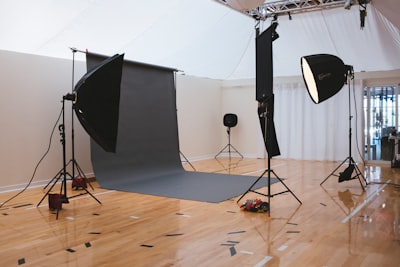
Depending on the emotion you want to evoke, you must use different lighting techniques, but in most cases, the best way to light products is to do cross-lighting, one light across the lens on either side, left or right. Another light could be positioned across that backlight to fill some shadows.
Editing and post-processing tips for vibrant product images
Once you’ve captured your product images, post-processing can further enhance the visual impact of your photographs. Editing software like Adobe Photoshop or Lightroom can help adjust the colors, contrast, and sharpness to achieve a vibrant and professional look.
When editing your product images, pay attention to the accuracy of the colors. Ensure they match the actual product as closely as possible to avoid misleading customers.
Conclusion
Enhancing your brand and increasing sales through strategic use of product photography backdrops
Color has a profound impact on our emotions and can influence our behavior. Understanding the psychology of color is crucial when creating effective product photography backdrops. Each color has unique attributes and can evoke specific feelings and emotions in viewers.
Red:
Red is a powerful, energetic color that grabs attention and creates a sense of urgency. It is often associated with excitement, passion, and desire. Using a red backdrop in your product photography can be particularly effective for products that evoke strong emotions or require immediate action, such as limited-time offers or impulse buy items.
Blue:
Blue is a calming and trustworthy color that conveys a sense of reliability and professionalism. It is often associated with trust, loyalty, and tranquility. Incorporating a blue backdrop into your images can benefit products promoting relaxation, well-being, or reliability, such as skin care products, tech gadgets, or financial services.
Green:
Green is a color that symbolizes growth, harmony, and renewal. It is often associated with nature, health, and freshness. Using a green backdrop in your product photography can be effective for eco-friendly products, organic foods, or anything related to sustainability and environmental consciousness.
Yellow:
Yellow is a vibrant, attention-grabbing color that evokes joy, happiness, and optimism. It is often associated with energy, creativity, and youthfulness. Incorporating a yellow backdrop into your product images can be helpful for products that inspire positivity and enthusiasm, such as children’s toys, fashion accessories, or home decor items.
Purple:
Purple is a color that symbolizes luxury, creativity, and spirituality. It is often associated with luxury, elegance, and sophistication. Using a purple backdrop in your product photography can be effective for high-end products, beauty, fashion items, or anything that appeals to a more artistic and discerning audience.
Orange:
Orange is a warm, energetic color combining red’s vibrancy and yellow’s cheerfulness. It is often associated with enthusiasm, creativity, and warmth. Incorporating an orange backdrop into your product images can benefit products that exude energy and playfulness, such as sports equipment, outdoor gear, or children’s products.
I want to disclaim that this is purely my experience with Unsplash. This doesn’t mean it applies to everyone.
What is Unsplash?
Unsplash is a website that provides high-resolution photographs that have been made available to the public for free. The images on Unsplash are provided by a community of photographers who have shared their work with others.
Users can browse the images on the site, download them, and use them for various purposes, including as backgrounds for their computers or phones, as images in documents and presentations, or as part of design projects. All the images on Unsplash are licensed under the Unsplash license, which allows for free use of the images for any purpose, subject to certain conditions.
My Experience as a Photographer using Unsplash
A year ago I was looking to start different ways to promote and create an awareness of my photography business and I landed on a very interesting blog post about why Unsplash could be a great way to get your name out there. Here are a couple of reasons I found interesting and tried.
BTW, if you don’t know what Unsplash is you can check out this blog post here
Theoretically, when sharing your photos on that platform people have, let’s call it, a moral obligation to credit you for using your photo on social media, blog posts, etc. Well, that is not the case. After a year, my photos got around 1.000.000 downloads, yes it is not a typo, 1.000.000, I would say less than 20% credited me for using the photos on a commercial work or at least to say thank you.
I came up with an idea that I think could benefit my name as a photographer, give me some exposure and help with my SEO. I did a reverse image search with the images people had downloaded the most and asked around 30 to 50 blog editors to get a backlink in exchange since that could help my rankings on google. One more time, just a couple of them replied and did what I asked. Let’s say this time I got a 10% success.
I kept my account open, and I got an unexpected email from a company called Wirestock. they are a photography stock collector and distributor. Basically, what they do is curate the content you upload, populate the keywords, name, description, and category, and submit your work to 5 – 6 stock companies like Shutterstock, adobe stock, etc. I thought at the beginning that I could not do that since my photos were on Unsplash for free but you CAN do it, so I started uploading my work, I have to say that I got my first sale after 1 month, that is great!
My surprise came when I found out that two of my photos were rejected because they were already on Shutterstock, so guess what? Somebody took the photos and uploaded them to sell under his account. Right away, I emailed Shutterstock to their great customer support, and they banned the guy’s account.
The story doesn’t end there. The person who stole my photos emailed me after a couple of days and asked me to forgive him because he did not do it on purpose, really? A guy with 1000 items in Shutterstock doesn’t know what the policies are? Anyway, he offers me $5 in exchange to remove that claim from my photos. I didn’t know what to do, whether to cry or laugh.
Conclusion
My experience was positive and negative since I got some great backlinks to my site that apply to the niches I work with and also found wirestock.io, which so far has been working out for me. Either way, I closed my account on Unsplash and I would suggest you think about doing this before jumping in and registering. If at least users were grateful and shared your work with the proper credits every time they use your photos, it would be wonderful. I would have had 22,000 mentions on social media or blog articles.
Creating striking content for your marketing is no longer an option but a mandate. Naturally, human beings tend to grasp concepts better when they are presented to them visually. It is no wonder 90 percent of the information that your brain processes is usually visual with 40 percent of people finding it easier to learn better through visual stimulation rather than using plain text.
This article is going to help you explore the best five types of visual content marketing for your business in the form of images, videos, infographics, memes, and presentations.
Eye-catching Images
Every content creator will tell you that images/photos play a very significant role in marketing for good reasons. For instance, images allow your target audiences to lay their focus on a brand thus making that particular brand more relatable. In addition to that, images come in handy to show the behind the scenes’ of your brand in a bid to help your audience understand better and develop more interest in your brand.
Also, images are used to showcase your products and services in a manner that will attract customers and clients to them. This is a strategic way of applying visual content knowing that imagery has a great impact on how human beings perceive everything. In this case, the use of images becomes important especially when you are looking forward to showing your goods in action. Most photographers and videographers are fully aware of this trick and in the real sense, this is one of the contributing factors that explain better why 90 percent of the public are of the opinion that images are influential in their purchase and buy-in decisions.
It is not just the use of any photos or images that will create an impact on your products and services. There’s more to that and the best way to go about with the use of imagery is to ensure that you reflect your brand’s unique selling point in the best way possible. At the same time, be pretty sure to capture your brand’s values through the use of color imagery or any enhancement that will make it eye-catching.
According to Marketer Jeff Bullas, the use of relevant images is likely to drive a staggering 94 percent more views as compared to not using any images or photos in your content. On top of that, experts say that 65 percent of the information in the form of images is likely to be retained by viewers after three days.
Videos
Even though photos or images take the lion’s share when it comes to the creation of the content, videos too are equally important. As a matter of fact, it is always a sound idea to mix up your content and give it both the sound and voice as a way of influencing your target audience. The following YouTube video contains some vital information that tells you how content marketing plays a major role in growing your business:
Using videos to grow your content marketing is increasingly becoming popular today. But before you go that way, there are important statistics that you need to have at your fingertips:
It has been established that 64 percent of buyers are more motivated to settle for a given product after watching its video.
There is a 19 percent chance that your email will be opened and be read by your target audience when you use the term “Video” in it. In addition to that, there will be an increased click-through rate of 65 percent on your email while there will be a reduction of 26 percent for those unsubscribing to your email list.
In one survey regarding Video Marketing Statistics and Trends, the prediction was that 74 percent of the total internet traffic will likely be video in the near future.
Apparently, there are a thousand and one reasons as to why videos should be at the forefront of the content marketing plan. A few of the reasons that came up include:
Customer retention
Improved search engine optimization (SEO)
Higher engagement
Stronger emotional attachment/connections
Much of the emphasis is placed on learning more about Video SEO as an essential tool in tackling video content effectively.
Infographics
Infographics are the epitome of visual content marketing for your business. In fact, this should be the right place to start your marketing campaign. Content creators are fully conversant with infographics because it crystallizes a lot of important information into a single and easily viewable visual content. This way, the content becomes less intimidating and easy to understand and apply its concept by every viewer or reader.
Take a perfect example of the use of infographics in social media today. In its realms, social media provides a good platform where infographics get more likes and shares at least three times in comparison to the other types of visual content. This trend explains clearly why a whopping 60 percent of all content marketers used infographics in the year 2016 unlike in the previous year.
But why is this the case?
The best explanation for the increase in the use of infographics by content marketers in 2016 is probably based on a few simple reasons. One of the major reasons for that emerging trend is attributed to the fact that infographic as a content marketing tool is well known to cause an increase in profits by a larger margin of about 12 percent. Essentially, all these are valid reasons as to why content marketers are turning to infographics. Other reasons besides the ones highlighted above include the following:
Infographics make the information more appealing and eye-catching
It comes with valuable ideas
Grabs the attention of the viewers
Easy to understand
Less boredom
It awakens the viewers’ interests
Easily accessible
Infographics are more persuasive
Quite memorable
It is capable of relaying information so easily.
Infographics are suitable to use for visual content marketing for your business when there is a lot of statistical data to present to your audience. Alternatively, it is essential when you want a breakdown of the hard-to-understand visual content into a more understandable and viewable format.
Memes
The word meme can trace its roots back to 1976 when it was used by Richard Dawkins for the first time as a way of ascribing an idea the ability to replicate itself into a number of different meanings from one person to the other. With the advancement in technology and increased use of social media, memes (in the form of photos and text) have found their way in various platforms and are always used as pictures or images accompanied by one or more humorous captions. At the moment memes have taken a center stage in content marketing contrary to what many people believed some years back. Their use in visual content creation started when they first gained popularity online as more and more people shared them for entertainment reasons. Currently, they are part and parcel of visual content marketing representing easy-to-create but quirky forms of visual content.
Memes are created every now and then for different reasons. As a visual content creator, you may come up with your own memes as a great way of evoking positive emotions that can help set yourself a mile away from your immediate competitors. Before you get there, you must start by determining if all memes are appropriate for your niche. Apart from that, you will need to find out if your memes will appeal to your target audience.
For you to emerge as a successful visual content creator, your memes should target a certain group of individuals. This means that if the brand you are marketing resonates with young individuals, then you are on the right path. Another unique aspect of your memes is their ability to let you create various in-jokes that are directed to your industry. This is a good way of making your audience laugh while helping you build strong communities around your brands.
Presentations
Presentations were only reserved for the boardrooms but now things have taken another direction. The improvement in technology has made it convenient for you to share your presentation with the entire world thanks to sites such as SlideShare. Through presentation, you can create your visual content using photos with text and dramatically expand the outreach of your brand. However, you will, first of all, need an effective SlideShare presentation in order to reach out and inform your audience about your business through their devices at the press of a button.
Just like infographics, the presentation focuses mainly on eye-catching colors and attractive design with the aim of drawing the reader’s attention to the text. The only difference comes about in their scope but they are a great way of reaching out and engaging your audience with your visual content. This visual content can be in the form of photos or videos accompanied with some text to clearly highlight your brand in a manner that will draw the attention of your audience to your products or services.
Even though the presentation is meant to display some serious content, preparing and presenting complex information in a digestible and humorous manner can be an added advantage to your content. This makes your presentation to be entertaining as well as offers a piece of actionable advice to the users on how they can improve their content strategically.
However, there are guidelines you need to follow when making your presentations. First of all, you need to be consistent with your fonts, colors, and borders. And don’t forget that proofreading to correct grammatical mistakes and checking spells is equally important.
In conclusion, content marketing for your business has become the best tool to reach and engage your audience while informing them about your brand. Therefore, you may choose the most appropriate way of creating your content starting from images, videos, infographics, and memes as well as presentations among others.
Photographing product advertisements is not a new thing, it has been around for many decades. However, due to Covid-19, the world has picked up its pace towards virtualizing every aspect of businesses. Similarly, e-commerce has seen a boom and almost all stores are moving towards online selling. It basically means that there will be a huge demand for photographing product advertisements may it be for social media or their own online stores. Now, if you are here, you have already stepped into this field. This article will properly guide you about different ways so you can stand out among others. Let us get on with it.
Lighting
Before we begin, we assume that you have already gathered all the necessary equipment and are comfortable using it. That is why we will only be talking about the tips and ideas that will help you in getting the full potential of your equipment. The very first thing that you need to worry about is lighting. As you might already know, product photography only deals with a still object and the rest is your own creativity and imagination. Light plays a big role in making a stationary object appear full of life. You must keep an eye on how light affects the shadows on the product. You may use diffusers or reflectors to manipulate light as much as you like.
Reliable Tripod
One thing that shouts amateur is a blurry photograph. If you are striving to be a professional, you do not want that unless it is the depth of field that you are working with. Otherwise, you should think about getting a sturdy tripod. It will not only remove the slight hand-shake but also give you the creative freedom to mess around with other settings.
Composing the Photo
This part will require you to get a bit creative and approach the product with different techniques. First, you need to photograph it from different angles to identify the one which highlights the details of the product. Second, you need to place props that complement the product. For instance, you can use kitchen utensils in food advertisements. Lastly, you need to choose a perfect background. You can either use some combination of colors or even the environment in which the product is intended to be used. If you are not so sure about it, you can work with a pure white background. However, composing the photograph is such that the focus is on the main product, not the props.
Learn from an Experienced Photographer
An important thing to remember is that theory can only do so much. This article will arm you with the knowledge, however, you will have to practice yourself. An easy way to learn quickly is to pair up with a seasoned photographer. You will not only learn new tricks and techniques by doing this but also if you run into any obstacle, you will have someone to help you. You can even take a basic photography class if it fancies you. There are multiple sites available online so you can learn from the convenience of your home.
Also, if you are struggling with ideas and creativity, you can get inspiration from your favorite brands or even photographers. However, do not simply copy their ideas, it might get you into legal problems. Just analyze the elements and style and try to carve your own.
Work Magic with your Editing
Editing sets apart professionals from beginners because pros are as skilled with editing software as they are with a camera. Not only does editing fix any minor mistakes that you might have made, but it also opens numerous creative doors for you. You can even create new backgrounds entirely on editing software. If you are quite comfortable with your camera, the next step for you is learning how to process your images in software such as Photoshop.
Conclusion
Like we mentioned above, this article simply guides you about the various ways of photographing product advertisements like a professional. However, it is all going to come down to the patience and resilience that you show in your journey. Keep practicing and keep improving.
For any photographer, capturing the perfect shot is an eternal aspiration. It’s why we invest time and resources into improving our equipment, staying up to speed with the latest innovations. If you’re a promising amateur or an enthusiast looking to refine your skills, allow us to share the 10 principles of amazing photography. Keep reading to discover how you can make the best of every snap!
1. Never Underestimate the Power of Great Lighting
The quality of lighting can make or break a photograph. Too bright, and you risk washing out the detail of the scene you wish to capture. Too dark, and you’re likely to have a grainy result with barely more than faint outlines.
Use natural light to your advantage. Sunrise and sunset present warm illumination that works perfectly for landscapes and wildlife, and you can create spectacular silhouettes by keeping bright sunlight behind your subject. To capture an exceptional portrait, use the soft lighting of an overcast day.
The middle of a sunny day is often the least successful time to take a photo, as the direction of light is wrong, usually on top of your subject, and this creates no flattering shadows. Reschedule a photo shoot if the light isn’t right.
When using artificial lighting, use the same principles as you would with natural light. Avoid overexposure, but ensure there is light to capture the detail you require. Usually, the light across the lens creates more interesting images. Experiment with settings and take test shots to be certain.
2. The Importance of Symmetry
Symmetry can be a powerful artistic tool, allowing you to draw the eye to a focal point, demonstrate interesting patterns, or create dynamic tension.
If you were to take a picture of a pier, for example, you would most likely make use of its natural symmetry by centering its path. This allows the audience to be drawn to the very last board of the pier, and out to the ocean and horizon just beyond it. Symmetry emphasizes the immediacy of what you are trying to portray, evoking an emotional response that connects the viewer with the scene.
3. Creatively Framing Your Subjects
When composing a photograph, you will usually have at least one focal point on which to direct attention. How you arrange the photo to center the subject is called framing.
There can be many elements to this. You may wish to use surroundings, such as buildings, foliage, signs, or interesting props to do this.
A natural frame may present itself. When setting up your shot, look around and determine whether you’re in the best place to frame your subject. If not, change location or try a different angle until you find the perfect spot.
4. Diving into Depth
It’s difficult to transfer the rich complexity of what is seen with the naked eye to a flat image. When taking a photograph, careful consideration must be given to the composition of a scene in order to convey its original depth.
Use elements surrounding the subject in order to create a well-defined background, middle ground, and foreground. This will help to create depth in your image. Usually, the subject would be in the foreground, but you are free to be creative with how you arrange your scene.
5. The rule of third
When preparing to take a photograph, use guidelines in the live view (or imagine them if you are using a traditional viewfinder) to arrange the scene.
Guidelines should form a grid similar to that used in Tic Tac Toe. Guidelines allow you to set up the shot for maximum impact. Placing the subject at an intersection point, away from the center, is best.
Instead of simply glancing at the centre of the picture, the viewer will be drawn in, resulting in a more meaningful interaction.
6. Use Leading Lines Properly
Using lines in photography is a great way to draw the viewer’s attention to the subject of the image. This can be accomplished by leading the eye to a certain point in the frame, like a pathway or a bridge leading to the subject, or by using leading lines that converge on the subject.
It can also separate the subject from the background or to emphasize an interesting pattern or texture in the environment. Leading lines can be anything from a fence or a road to a row of trees or the horizon, and they can create a sense of depth and perspective in the image.
7. Adding Depth and Texture with Patterns
Patterns can add depth, texture, and interest to a photograph.
Patterns can be found in many places in nature or in man-made objects.
They can be large or small, natural or abstract.
Patterns can draw attention to a certain area of the photograph or to create a sense of rhythm or movement.
When using patterns in photography, it is important to consider the light, the angle, and the overall composition.
Patterns can create a sense of balance, to emphasize certain elements, or to draw the attention of the viewer.
Patterns add texture to a photograph, making it appear more three-dimensional and alive.
8. Background and Photography
A complimentary background is essential for a successful photograph, particularly a portrait. When the background is too busy or complex, it can distract from the subject and take away from the overall image. Therefore, it is recommended to use a neutral background, such as a solid color, for a portrait. This will allow the subject to take center stage and be the focus of the photograph.
The backdrop of a photograph can be a major contributor to the overall narrative and feel of the image. It can provide context to the subjects within the frame and can evoke a certain emotion or mood.
For example, a bright and colorful backdrop can create a cheerful atmosphere, while a darker and more muted backdrop can create a more somber mood. The backdrop can highlight the subjects of the photograph or to add depth to the composition. It is an essential element of a photograph and should be considered carefully before taking the shot.
9. Action
When considering action in photography, it’s important to remember that it doesn’t have to be a dramatic scene, like a fast car speeding by. Action can be much more subtle, such as the graceful movement of a group of people, the dark shape of an acrobat mid-jump, or a single drop of water bursting forth from a surface. Capturing these moments can be a challenge, but with the right timing and a good eye, you can create stunning photos that show off the beauty of movement.
Capturing action brings a narrative to the photograph; it tells you a lot within a single frame. It’s unnecessary for the viewer to see the entirety of a motorcycle race to know what’s happening; one shot of a bike emerging from a dusty start line does precisely that. It may take time to develop your technique, but it’s certainly worth persevering.
10. Storytelling
It is said that a picture is worth a thousand words. That’s quite a responsibility! By utilizing the techniques described above, you will nail the technical aspects of photography.
However, there’s more to it than that.
To connect with the viewer, it is important to think about the story that you are trying to tell through the photograph. Consider the elements within the frame, their positioning, and how they interact with each other to create a narrative.
The composition should be composed in such a way that the story is conveyed clearly and evokes emotion or thought in the viewer. Consider details such as the use of light, foreground and background elements, color, contrast, and the position of the main subject within the frame. These elements should work together to tell the story of the photograph and create a meaningful connection with the viewer.Your picture is more than a flat image; it is a gateway to the world.
Conclusion
Amazing photography requires a combination of both technical knowledge and creative vision. These 10 principles are the foundation for taking beautiful photographs that capture moments, memories, and emotions in a unique way.
Taking the time to master these tips will help you create stunning photos and stand out from other photographers. To become a great photographer, you need practice, dedication, and an eye for beauty. With these tools, you can use your imagination to capture breathtaking images that tell stories and make lasting impressions.
Business photography plays an indisputable role in improving brand exposure and engagement. Indeed, a picture speaks a thousand words. Because of the high demand for photography in business, stock photography was invented. This is the selling / licensing of images by photography agencies for brands to use in their communications and marketing activities. Not all pictures might speak a thousand favorable words for your business. Using stock photos is just not a wise idea for your brand. Let’s find out how this is so.
1. Your customers are not stupid; they can tell fake emotions
Take the case when you want to showcase how your customers interact with your products. Stock agencies might not have the right pictures you can use in product reviews and testimonials. Usually, in stock photo collections, you will come across images of people with unnatural facial reactions. Extreme happiness or extreme sadness.
That is not real, and the people you are trying to market to will see that. You will lose your credibility in the market. It gets even worse when you use royalty-free images that have already been used before in the public domain.
2. Fictitious office buildings and staff; but what happens when customers visit your business physically?
The images look nice. Many stock photos show good-looking office workers in suits in a skyscraper office. A long time ago, that might have made customers think your brand is the best deal, but that is no longer the case today. Don’t elevate your business to a level that might not be there yet.
People want to see the real deal. Don’t be afraid to portray your small office and how your employees rise above every day’s challenges. That way, when consumers visit your office or business, they get what they saw on the website- this is how you build credibility and trust.
3. Abstract images will just transform your brand into an abstract concept
Stock photography is full of obscure pictures that could be so utterly useless to your business. Sometimes brands use 3D robotic figures to denote staff or customers, dolls, signs, walls, clouds, animals, and everything. These images say nothing about who you are and what you do.
They make your business idea seem farfetched, and customers will merely browse past to your competitor’s website where they will find images that speak to their problems, interests, and desires. The idea of photography in marketing is to tell a story to customers in clarity and conciseness. Abstract photos tell no tales of concern or interest to your customers.
4. They are too generic and irrelevant
Why is that? Stock photos photographers usually produce their images with the idea that many people can use them in their communication and marketing endeavors. Stock photographers want to cast their nets as wide as possible to increase their revenues. If you get caught in that fishnet, your income might take a downturn in no time.
You need images that resonate well with your type of business. You need pictures that pass across a specific message to make your brand stand out in the industry.
5. Stock photography showcases fake products
A marketing campaign should showcase a product’s model number, its features, and specifications. Stock photography agencies might not have the right images of your products. You will end up accepting to use pictures that only show products that resemble yours. All the while, you will keep your customers in the uniqueness’s dark of what you have in your inventory.
By using stock photos, you will rob yourself of the chance to grow your product awareness. If you are not careful, you might end up promoting somebody else’s products in your space.
6. Some stock photos are poor quality
Your brand needs professional photography to grow. Users want bright and crisp images that show all the details about your business. Sometimes small brands try to save on costs by getting low-resolution stock photos. These look unprofessional, and they will ruin the perception of your brand in the market. Put it this way; the right quality images speak of your dedication to excellence and delivering value to customers.
7. Stock photography sends out an inconsistent message
Many stock photos can only be licensed for onetime use. We all know that marketing requires frequent publishing and on many platforms. These include blogs, social media, websites, and other channels. The onetime-use licensing would mean that the image you used on your site is not the same one you use on your Facebook account.
Aside from that, when you want to publish a message about your brand, you might not find stock images that relate closely to the ones you previously used. This jumbles up your marketing message and makes it inconsistent. No one will believe you.
How to avoid ruining your brand image
Walk away from it. Stock photography will ruin your brand, as is clear from the above illustrations. So how do you resist the destructive allure of stock photography? It’s easy, you just have to keep everything real. Below are things you can do to help your brand grow without having to use stock photos.
Professional photographers have the right equipment and years of experience in business photography. You don’t have to hire the most expensive photographer. Many skilled photographers charge affordable rates and deliver quality pictures. Just do a bit of research, review their portfolios, and you will find the right one.
Partner with a photographer
Short on a budget? Try to partner with a photographer; help them with their brand awareness as they help you with your images. You can do this by sharing their work on your social media and providing positive reviews and testimonials online. You can also pay them in kind with some of your products. Just try to ensure that the value you are giving is the same as what you are getting.
DIY
Although I don’t recommend this, it is still an option. DIY business photography requires you to invest in a good camera and learn the ropes of business photography. Seek help. If you have a photographer friend in your circles, they can help you get it right.
Every business is striving to maximize its brand awareness and to increase website traffic and conversion rates. Sadly, many startups have succumbed to the snare that is stock photography. Stock photos are cheesy, irrelevant, and unreal. Save your brand, don’t use stock photography.