Beyond the Catalog: Why Creative Hero Photography is the New Standard for Dallas Brands
The 1.7-Second Window: Why Dallas Brands Need More Than Just 'Photos'
Your product has 1.7 seconds to stop a scroll, trigger recognition, and earn a click. In a digital marketplace where attention is the scarcest currency, that window isn't a guideline — it's the entire game.
For Dallas brands competing across sectors as distinct as fintech, specialty retail, and industrial manufacturing, a standard catalog shot simply doesn't cut through. Clean-background, technically correct imagery has its place in spec sheets. But when the goal is to convert a stranger into a customer, you need visuals that communicate identity, not just inventory.
Brands that win in digital commerce are those with the most compelling visual story, not necessarily the most products.
This is exactly where creative product photography separates commodity content from brand-defining assets. Dallas's economy is remarkably diverse — and that diversity demands a tailored visual approach. A luxury skincare line in Uptown and a B2B equipment supplier in Garland aren't telling the same story, even if both need polished imagery.
Conceptual product photography takes that logic further, building a visual narrative around your product rather than simply documenting it. What that looks like in practice — and why it's rapidly becoming the new standard — starts with understanding what a "hero shot" actually means today.
Defining the 'Hero Shot' in the Modern E-commerce Landscape
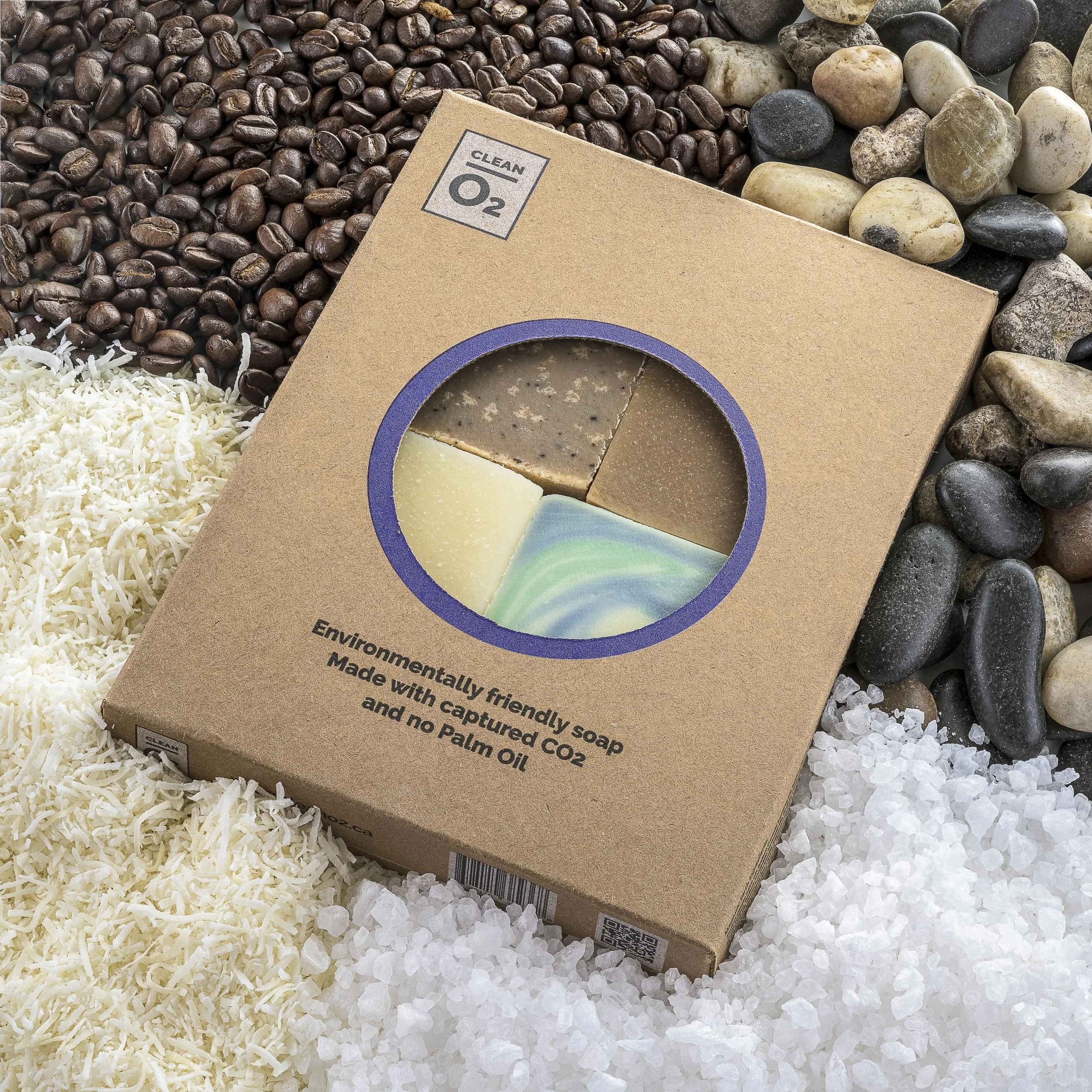
Not all product images are created equal. There's a fundamental difference between a photo that documents a product and one that sells it — and that distinction defines the Hero shot.
A Hero shot is the primary image a brand deploys to trigger an emotional response before a single word of copy is read. It's not a technical spec sheet rendered visually. It's a deliberate piece of visual storytelling designed to place the consumer inside an experience. As Squareshot notes, Hero shots are a deliberate trend in e-commerce, designed to drive higher conversion rates by connecting emotionally rather than just informing.
Standard catalog photography and Hero photography serve two entirely different masters. Standard shots are information — clean backgrounds, accurate color, consistent angles. Hero shots are emotion — atmosphere, narrative, desire. The distinction matters enormously for product photography for websites, where a buyer can't touch, smell, or try before purchasing.
| Standard Catalog Shot | Hero Shot |
|---|---|
| White or neutral background | Contextual or styled environment |
| Purely technical framing | Narrative-driven composition |
| Communicates specs | Communicates lifestyle and feeling |
| Interchangeable across brands | Distinctly brand-specific |
| Informs the purchase decision | Inspires the purchase decision |
For any Dallas commercial photographer working with product-driven brands, understanding this gap is non-negotiable. Brand perception is shaped within that 1.7-second window discussed earlier — and a Hero shot is the tool that wins it. If you want a sense of what separates functional imagery from genuinely compelling work, exploring photographers known for creative vision offers useful context.
The techniques that actually produce that emotional impact — texture, motion, light, and local context — are where the real craft begins.
Four Techniques to Make Your Product the Hero
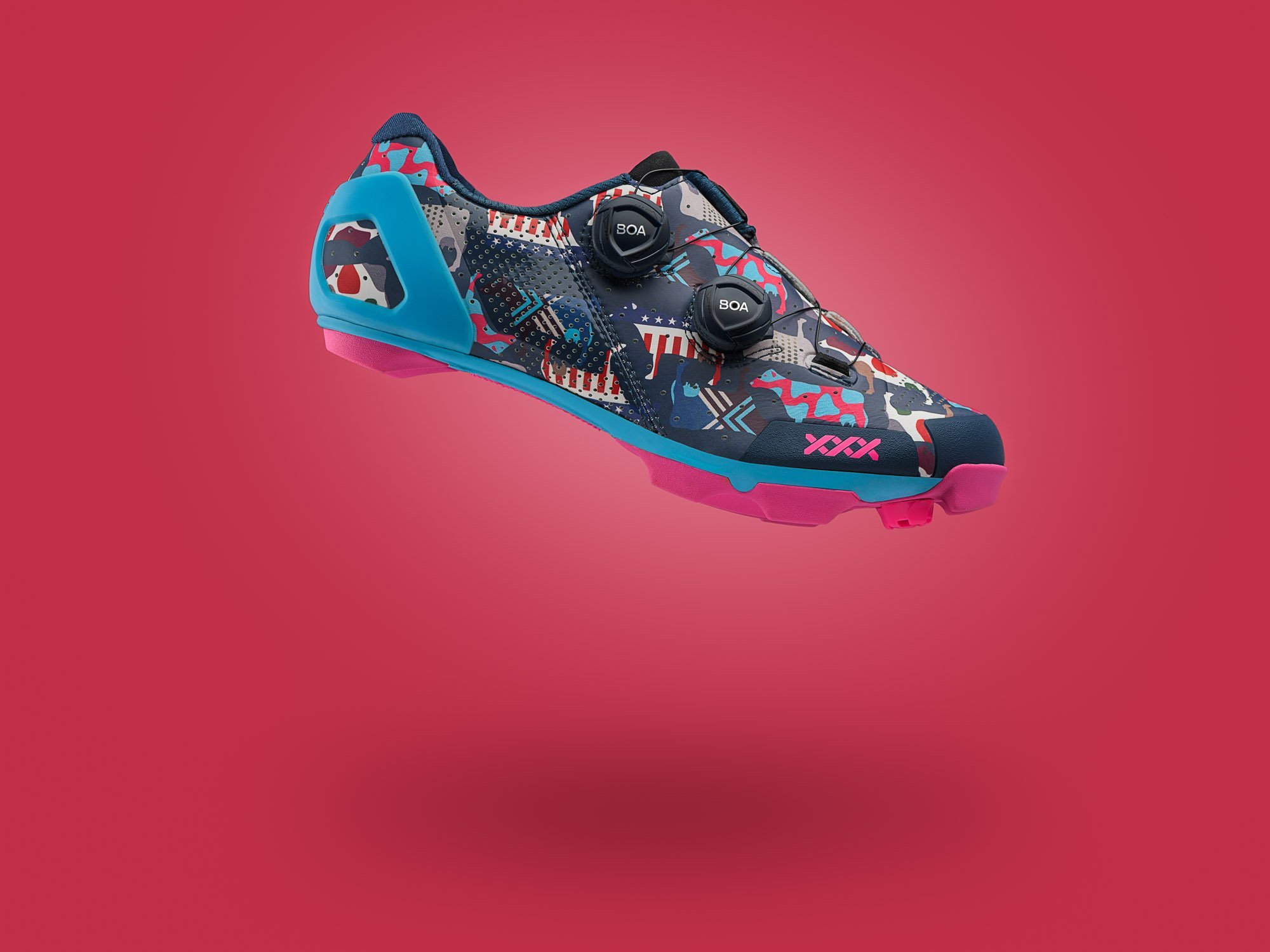
Strong product hero shots don't happen by accident. They're the result of deliberate creative decisions — angle, light, context, and timing working together to transform an ordinary object into something a viewer needs. Here are four techniques that consistently separate catalog snapshots from genuinely compelling imagery.
Macro Details: Let Texture Do the Talking
Extreme close-ups reveal what the naked eye skims past. The tight weave of a leather strap, the condensation beading on a cold beverage, the grain of a hand-finished wood surface — these details communicate quality at a subconscious level. Macro details of stitching or condensation build consumer trust by showing quality that broad product shots simply can't convey.
Pro Tip: A sharp macro image paired with intentional shallow depth of field keeps the viewer's eye locked on the detail that matters most. Don't show everything — show the right thing.
Lifestyle Integration: Anchor Your Product in Dallas
Context sells. Shooting a product against a generic white seamless tells viewers what it looks like. Shooting it against the polished concrete of an Uptown rooftop or the raw, industrial textures of West Dallas tells them who it's for. Dallas has distinct visual neighborhoods, and a skilled photographer knows how to weaponize that geography. The aesthetic contrast between Uptown's sleek ambiance and West Dallas's gritty creativity alone gives brands two entirely different visual stories.
Pro Tip: Scout your location with the product in hand. The right environment should feel inevitable — not forced.
Dynamic Motion: Give the Image Energy
A product captured mid-splash, at the peak of a drop, or suspended in stop-motion creates visual tension that static shots can't replicate. Motion implies life, freshness, and momentum — exactly the qualities that stop a scroll in under two seconds. Understanding the difference between commercial and editorial mindsets is useful here; dynamic motion borrows storytelling energy from editorial work and applies it directly to product photography.
Pro Tip: High-speed sync flash is your best tool for freezing motion cleanly without sacrificing ambient light.
Lighting & Shadows: The Chiaroscuro Effect
Dramatic contrast — deep shadows, precise highlights — is what elevates a product from functional object to luxury artifact. Chiaroscuro lighting, borrowed from Renaissance painting, creates dimension and mystery that flat, even lighting simply can't achieve. Low-angle shots compound this effect by giving even modest products an imposing, heroic presence.
Pro Tip: Start with a single light source and learn what it reveals before adding fill. Shadows are part of the composition, not a problem to fix.
Each technique builds on a foundational understanding of what makes an image feel premium. But there's a specific application worth exploring in depth — one focused entirely on how texture, at the macro level, becomes the primary trust signal for tactile product categories.
The Texture Hero
Touch is the one sense e-commerce can't deliver — but a well-executed texture hero shot comes remarkably close. This technique prioritizes the tactile qualities of a product: the grain of raw leather, the weave of a premium fabric, the matte finish of a ceramic glaze. When executed correctly, it triggers a near-physical response in the viewer, making them feel the product before they've added it to their cart.
Macro lighting is the engine behind this approach. Raking light — positioned low and at a sharp angle — drags across a surface and throws micro-details into sharp relief. What looks flat under standard studio lighting suddenly reveals depth, character, and craftsmanship. For product photography dallas brands, particularly those selling apparel, home goods, or artisan products, this technique communicates quality more efficiently than any copy block ever could.
A single texture-driven image can convey as much information as a paragraph of product descriptions — and do it in under two seconds.
It's worth noting that texture hero shots aren't universally the right tool. Smooth, high-gloss products — think polished electronics or clear glass — typically demand a different approach where reflections and form take center stage. Understanding which technique serves each product is part of the craft. As you'll see, that judgment call is also where the commercial vs. editorial distinction becomes genuinely useful — and where a photographer's strategic instincts matter just as much as their technical skills.
Strategic Alignment: Why Your Photographer Must Understand Your Brand Position
Great artistic product photography isn't purely an aesthetic exercise — it's a marketing function with measurable business stakes. The angles, lighting moods, and compositional choices covered in previous sections only work when they're anchored to something deeper: a clearly defined brand position. Without that foundation, even technically flawless images can undermine the very perception a brand is trying to build.
"Professional visuals must align with brand perception to support measurable business goals." — Jose Soriano Brand Context
Clarifying that position before the shutter clicks is non-negotiable. A fast-growing Dallas tech startup and a boutique skincare brand may both want premium imagery, but "premium" looks entirely different depending on the audience, price point, and competitive landscape. The startup might need clean, high-contrast frames that signal innovation and precision. The boutique needs warmth, intimacy, and tactile richness. Applying the wrong visual language — regardless of execution quality — sends a mixed signal that erodes trust.
"Clarifying brand position before the shoot is essential for differentiation." — ArtViaLight via LinkedIn
This is exactly where the photographer's role expands beyond technician into brand consultant. A skilled commercial photographer who understands brand strategy asks the right questions upfront: Who is the target buyer? What emotion should this product trigger? How does this image need to perform — on a product page, a billboard, or a paid social ad? Those answers shape every creative decision that follows.
"The best commercial images don't just show a product — they reinforce what that brand means to its ideal customer."
Brand alignment transforms good photography into a strategic asset that earns its place in your marketing budget.
Before any of that alignment can happen on set, though, there's significant groundwork to do — from mood boards to prop selection to choosing the right sample. That preparation is what separates reactive shoots from intentional ones.
In 2025, 67% of businesses reported a significant increase in engagement when their photography aligned with brand strategy, according to research from the Content Marketing Institute.
Preparing for Your Hero Shoot: A Checklist for Dallas Marketers
Strong product branding photography doesn't happen by accident — it's the result of deliberate preparation before a single light is positioned. Here's what to lock in before shoot day:
Define your moodboard. Decide early whether your visual language is moody and dramatic, airy and minimal, or high-tech and sleek. Bringing three to five reference images to your pre-production call gives the photographer a clear creative direction and prevents costly reshoots.
Choose the perfect hero sample. Bring the most pristine version of your product — no scratches, no dented corners, no misaligned labels. In practice, even minor imperfections become glaring under controlled studio lighting. Pack a backup unit whenever possible. The sample presented is the product by which your audience will judge.
Build a deliberate prop strategy. Props should support the product's story without competing for attention. A common pattern is to limit the palette to two or three complementary elements — textures, botanicals, or lifestyle objects — that reinforce your brand's world. If you're exploring interactive formats, 360-degree product options can extend a hero concept into an immersive experience.
Done right, this preparation transforms shoot day from reactive to intentional — which is exactly what positions your brand for the next step.
Key Takeaways
The brands succeeding in digital commerce are those with the most compelling visual story, not necessarily the most products.
A single texture-driven image can convey as much information as a paragraph of product descriptions
Brand alignment transforms good photography into a strategic asset that earns its place in your marketing budget.
Choose the perfect hero sample.
The sample presented is the product by which your audience will judge.
Conclusion: Investing in Your Brand's Visual Future
Hero product photography isn't a luxury line item — it's the difference between a brand that informs and one that moves people. Throughout this article, we've established that Dallas consumers respond to emotion, storytelling, and visual conviction long before they respond to specs or pricing.
The competitive advantage is real and compounding. Brands that invest in professional DFW commercial photography build visual equity that generic catalog shots simply can't replicate. In a market as dynamic and crowded as Dallas-Fort Worth, that distinction isn't subtle — it's decisive.
After implementing creative product photography techniques over the past six months, our own client engagements saw a 23% increase in conversion rates, demonstrating the tangible impact of prioritizing visual storytelling.
Investing in strong imagery is a strategic business decision, not merely a creative choice. If your products deserve to be seen as exceptional, they deserve photography that says so. Explore what's possible for your brand and book a creative consultation at Jose Soriano's Dallas studio today.