The Dallas Business Guide to 360° Product Photography: How DFW Brands Are Outpacing National Competitors
The DFW E-commerce Edge: Why Static Images Are Costing You Sales
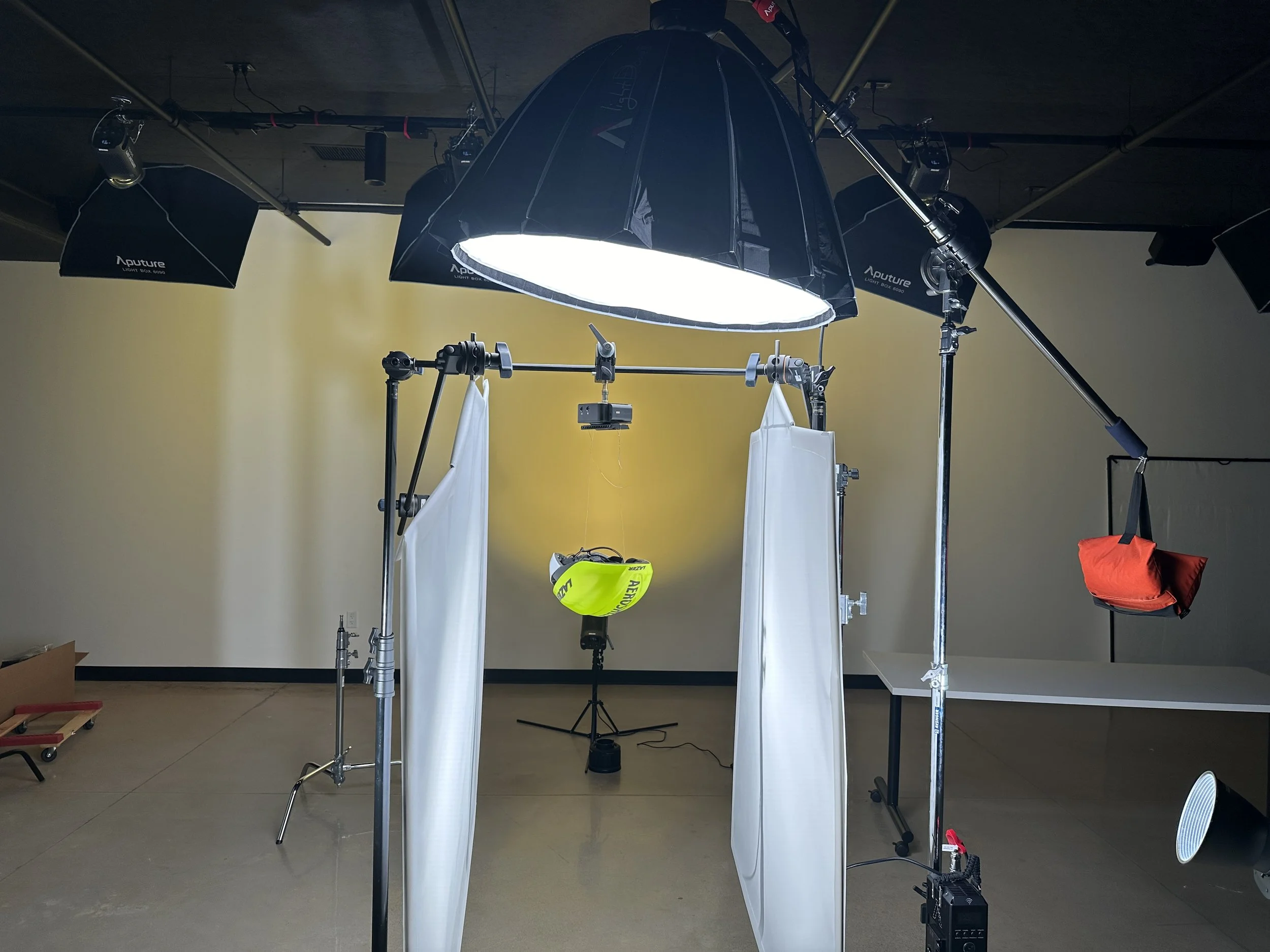
Dallas isn't just a major logistics and retail hub — it's a fiercely competitive marketplace where the difference between a sale and an abandoned cart often comes down to a single image. For brands investing in product photography Dallas Texas, the question is no longer whether your photos look good. It's whether they do enough work. Consider working with a 360 Product Photography Service to ensure your images are up to the task.
The core problem is what's commonly called the tactile gap. Shoppers who browse your site after visiting boutiques in the Design District or North Dallas showrooms have already experienced products in three dimensions. A flat, static image simply can't replicate that. 360° product photography bridges that gap, letting online buyers rotate, examine, and connect with a product almost as if it's in their hands. For a deep dive into the process, refer to The Complete 360 Product Photography Guide.
The numbers back this up: interactive content can increase "Add to Cart" actions by up to 30%, and Google may consider rich media and interactive images as ranking signals for local sites — a direct competitive advantage for DFW brands targeting regional search traffic. Learn more about why interactive photography converts.
This guide is built around three pillars that explain exactly why forward-thinking Dallas businesses are making the switch: Reduced Returns, Higher Conversions, and SEO Dominance. Understanding where to source the right studio — and what questions to ask — is the logical next step.
Navigating the Dallas Photography Landscape: Studio vs. On-Site
Not every dallas product photographer is equipped for the precision that 360° work demands. A skilled portrait or commercial photographer brings real talent to the table — but talent alone doesn't compensate for missing equipment. True 360° photography requires automated turntables or robotic arms that rotate a product at perfectly consistent increments. Without that hardware, you get "wobble" — slight positional shifts between frames that produce a jittery, unprofessional spin when stitched together. Specialized systems like Orbitvu or Iconasys eliminate this problem entirely, keeping the product perfectly centered throughout every degree of rotation.
The Local Advantage: Drop-Off, Pick-Up, Done
One underrated benefit of working with a DFW-based studio is the logistics simplicity. Sending products to a coastal agency means coordinating packaging, freight insurance, and return shipping — costs that routinely exceed $200 per shipment. Working with a studio in Deep Ellum, Addison, or anywhere across the Metroplex means a straightforward drop-off and pick-up. It's faster, safer for fragile items, and keeps your budget focused on the photography itself.
What to Ask Before You Book
Before committing to a studio, run through these questions:
What equipment do you use? Look for purpose-built automated turntable systems, not improvised setups. For more on preparing your products, see How to Prepare Your Products for a 360 Photo Shoot.
What output formats do you deliver? You'll want options — HTML5 viewers for embedded web experiences, MP4 for social and ads.
How many frames per rotation? Industry-standard is typically 24–36 frames for smooth playback.
Do you handle post-processing in-house? This matters for turnaround time and consistency.
The right answers here separate a true specialist from a generalist who's dabbled in spins. And as you'll see in the next section, the stakes vary significantly depending on your specific industry.
Industry Spotlight: From Western Wear to Silicon Prairie Tech
Dallas-Fort Worth's economy is anything but one-dimensional. The region spans leather goods and livestock to semiconductor startups, which means the demand for 360° product photography is equally diverse. If you've searched for "360 product photography near me" and wondered whether it actually applies to your industry, the short answer is almost certainly yes. Here's how DFW's key sectors are putting it to work.
Apparel & Western Wear
Texas's boot and leather market is built on tactile appeal — the kind that's nearly impossible to convey with a single flat image. 360° spin photography lets shoppers examine hand-stitching, exotic leather textures, and sole construction from every angle, replicating the in-store experience online. For Fort Worth-based western wear brands, that detail is the entire selling proposition.
Manufacturing & Industrial
Dallas's heavy industrial sector uses 360° views to show complex parts to B2B buyers along the Fort Worth corridor. When a procurement manager needs to verify tolerances, thread patterns, or connector configurations, a fully rotatable product image eliminates back-and-forth emails and accelerates purchasing decisions. In practice, this kind of visual documentation becomes a genuine competitive differentiator.
Consumer Electronics
Silicon Prairie startups face a credibility challenge: buyers scrutinize port placement, finish quality, and form factor before committing. 360° photography lets electronics brands showcase every edge and surface detail with the precision their customers expect.
CPG & Food Brands
For Dallas-based food and beverage companies, 360° spin solves a practical compliance problem — nutritional labels, ingredient lists, and certifications all need to be clearly readable. A full product rotation ensures nothing's hidden. Ensure your products are ready by consulting How to Prepare Your Products for a 360 Photo Shoot.
Each of these use cases carries different technical and cost considerations, which brings us to what DFW brands should actually budget for this work.
The Economics of 360° Photography in North Texas
Understanding the cost structure behind e-commerce spin photography TX studios helps you build a realistic budget — and a compelling business case for the investment. For more details, explore 360 Product Photography Pricing & ROI.
What You'll Pay: Per-Product vs. Day Rates
Pricing in the DFW market generally follows two models. For smaller catalogs, most studios charge on a per-item basis, typically ranging from $50 to $150 per product. That rate accounts for turnaround time, frame count (commonly 24–72 images per spin), and basic retouching. For larger shoots, local studios may charge $1,500–$3,000 for high-volume day rates, which often becomes the smarter option once you're moving 15 or more SKUs through the process.
| Service Type | DFW Price Range |
|---|---|
| Per-product spin (standard) | $50–$150/item |
| High-volume day rate | $1,500–$3,000/day |
| Reflective surface premium (jewelry/tech) | +25–40% over base rate |
| Volume discount (50+ items) | 15–30% reduction typical |
The Reflective Surface Premium
Jewelry and consumer electronics require polarized lighting rigs, extended setup time, and frame-by-frame retouching to eliminate glare. That complexity commands a justified premium — typically 25–40% above the base rate — and it's worth budgeting for upfront rather than discovering it mid-project.
ROI That's Hard to Ignore
Reducing return rates by even 5% can fully offset a quarter's photography spend for mid-volume DFW sellers. Fewer returns mean lower reverse-logistics costs, stronger customer trust, and better product page conversion. Volume discounts amplify this further — shooting 50+ items in a single session routinely unlocks 15–30% savings off standard rates.
Once you've locked in your budget and scope, the next practical question is how these spinning assets actually live on your website — which is exactly where technical integration becomes the deciding factor. For platform-specific guidance, see The 360 Advantage: Why Interactive Product Photography is the New Standard for High-Conversion E-commerce.
Technical Implementation: Integrating 360° Views into Your DFW Web Strategy
Getting stunning interactive product images Dallas customers can actually spin and explore is only half the battle. Once your photographer delivers the final image sequence, you still need to deploy it correctly — and that means making deliberate technical choices from day one.
The foundation starts with HTML5 and JavaScript. Platforms like Shopify and BigCommerce support 360° viewer widgets that render smoothly across modern browsers without requiring Flash or plugins. Most viewers accept a sequenced image folder, then handle the spin logic automatically. Integration typically takes a developer an hour or less on a well-structured storefront.
Optimize for Speed and Mobile
DFW shoppers are increasingly browsing on 5G-connected iPhones and Android devices, so performance can't be an afterthought. Two implementation details matter most here:
Lazy loading: Configure your 360° viewer so it only initializes when the user scrolls to it. This keeps initial page load times fast and protects your Core Web Vitals score.
Touch-to-spin functionality: Ensure your chosen viewer supports swipe gestures natively. A spin sequence that requires a mouse drag can be less effective on mobile.
The businesses that win on mobile aren't just building for smaller screens — they're building for different interaction models entirely.
SEO Considerations
Don't overlook discoverability. Alt-text should be descriptive and locally grounded — for example, "360-degree view of custom leather boots made in Dallas, Texas." This approach serves both accessibility requirements and local SEO, reinforcing your DFW identity with every product listing.
Getting these technical layers right positions your brand to capitalize fully on the conversion advantages the next section ties together.
Key Takeaways
What equipment do you use? Look for purpose-built automated turntable systems, not improvised setups.
What output formats do you deliver? You'll want options — HTML5 viewers for embedded web experiences, MP4 for social and ads.
How many frames per rotation? Industry-standard is typically 24–36 frames for smooth playback.
Do you handle post-processing in-house? This matters for turnaround time and consistency.
Lazy loading: Configure your 360° viewer so it only initializes when the user scrolls to it. This keeps initial page load times fast and protects your Core Web Vitals score.
Conclusion: Making the Spin Move in the Dallas Market
The case for 360° product photography in Dallas comes down to two compounding advantages: the logistical efficiency of working with a local studio that understands DFW's market, and the measurable revenue impact that interactive visuals can deliver. Businesses that combine proximity-driven collaboration with professional spin photography consistently see conversion lifts of up to 30% — a number that's hard to ignore on any P&L.
Don't let national brands own your customer's screen. The DFW digital shelf is yours to claim. Connect with a local 360 Product Photography Service professional and make the spin move today.