
Key Highlights
- A commercial photographer takes photos for businesses. These images help sell or promote a product, service, or brand.
- The main job of commercial photography is to meet business objectives. This can be to raise sales or make a brand stronger.
- Some key types of commercial photography are product photography, food, fashion, lifestyle, and advertising photography for marketing materials.
- A professional photographer takes care of every step. They plan, shoot, edit, and deliver the final images for advertising campaigns.
- The images are licensed for use on websites, social media, brochures, and billboards.
- Unlike other photography, commercial work is made to get customer engagement and clear results for the business.
Introduction
Have you ever thought about what goes into the eye-catching pictures you see in magazines, on websites, or on billboards? This is the world of commercial photography. It is about making strong visual content to promote or sell something. This is not the same as a quick photo you take for fun. In advertising photography, each shot is planned so it can grab your attention and help you feel close to a brand. Now, in a world where pictures are used everywhere, the work of a commercial photographer is more important for businesses that want to stand out.
The Essentials of Commercial Photography
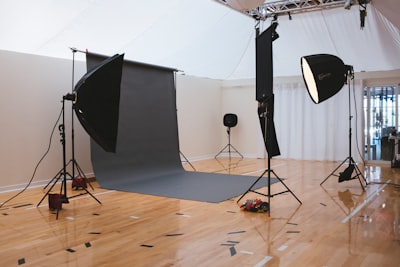
Commercial photography is about taking photos that will be used for business needs. The goal is often to help a company sell a product or talk about a service. People may use these images on their websites, social media, or print ads. All these pictures are made for commercial use.
This type of photography is done with the help of clients, advertising agencies, and marketing teams. A strong photography business in commercial photography knows how to show a brand’s vision with eye-catching pictures. Now, let’s talk about what commercial photography is and how it is not the same as other types of photography.
Defining Commercial Photography
So, what makes commercial photography different from other kinds of photos? It is photos that are taken to use in business. The goal of this type of photo is always to help with a business aim. It may help get people to know the brand, get more customer engagement, or help raise sales.
These images are made for many types of commercial use. You can find them in advertising campaigns. They are also used on e-commerce sites that show product photography. Corporate brochures and social media are other places where you see these pictures. A professional photographer who works in this area knows how to create photos that look good and help with a brand’s goals. These photos work well for both business and people who want to get more attention.
If a photo is used by a business to earn money, it is called commercial photography. This is a great way for brands to show what they offer. It lets them talk to their customers in a strong and real way.
Key Differences Between Commercial and Other Photography Types
To understand commercial photography, you need to look at why the photos are taken. A wedding photographer takes photos at special occasions to keep for memories. But a commercial photographer takes photos to help a business do well. The purpose of each type of photography is very different.
For example, portrait photography can have many uses. It can be something personal, like a family photo. It can also be for business, like a corporate headshot used on a company website. The way you use it helps show what type it is. In the same way, editorial shoots give you a story when used in a magazine article. On the other hand, commercial shoots are made to sell a product in an ad.
Here are a few key distinctions:
- Purpose: Commercial photography sells a product or service. Other types, like fine art or photojournalism, are there to show an idea or tell about an event.
- Copyright & Licensing: Commercial images are made for certain uses. They can be used for a set amount of time and in some places only. Photos for personal use are usually just for the client.
- Collaboration: A commercial photography shoot brings together a team. There will be art directors, stylists, and clients there. Other types of photography can be done by one person alone.
Why Commercial Photographers Matter in Today’s Business World
In a busy online market, it is important to have a commercial photographer for your business. A commercial photographer does not just take photos. They help make images that show who you are as a brand and reach your target audience. Good, clear photos can help get people to stop and look at your content. This is the difference between people moving on or choosing to read more about what you offer.
A professional photographer can help you reach your business objectives. They take what you want and turn it into strong visuals for all your marketing materials. A good photo makes your brand look sharp, trustworthy, and interesting. Let’s look at how they help your branding and what value they bring to organizations.
Impact on Branding and Marketing
Strong visual content is a key part of modern branding and marketing. When you use professional photos, your business will have a steady look and feel. This helps people that buy from you to know who you are. It also helps them remember you. Think about some brands you like. You might notice they use the same style in the pictures they share. This makes it easy for you to tell who they are.
In advertising campaigns, having high-quality images helps grab attention and show your message right away. You can use these images on social media, in print ads, or on your website. A good, strong visual will get more customer engagement. People like to see beautiful and clear images that fit what you say. If your post has a great photo, people are more likely to interact with it.
This better engagement helps you make a strong bond with your audience. When people see good and real photos that show your brand’s style, they feel they can trust your business. This makes them want to follow you and stay loyal.
Value for Businesses and Organizations
The value of commercial work from a professional photographer will show in the results. When a business uses good images, it can get to its goals faster and better. A professional photographer will talk to the client about what they want. Then, the photographer will make pictures that fit these goals.
This way of doing things can really make a difference. For instance, advertising photography done by experts can help boost conversion rates on e-commerce sites. When people see the product clearly and the photo looks good, they feel better about buying it.
Here’s how professional photography adds value:
- Increased Sales: Good product images can help you get more sales online. They also bring more people to your store.
- Stronger Brand Perception: Sharp and clear photos let your business look more real and trusted. This puts you ahead of others.
- Better Engagement: Great visuals on social media bring more likes, shares, and comments. This helps you reach more people.
Main Types of Commercial Photography Explained
- Product photography — studio photos and packshots for use in e-commerce, catalogs, and marketplaces.
- Fashion photography — editorial and campaign photos for clothes, accessories, and lookbooks.
- Beauty & cosmetics photography — close-ups and retouched photos for skincare and makeup brands.
- Food photography — styled food and drink images for menus, ads, and social media.
- Beverage photography — photos of drinks, bottles, and lifestyle scenes made for labels and promotions.
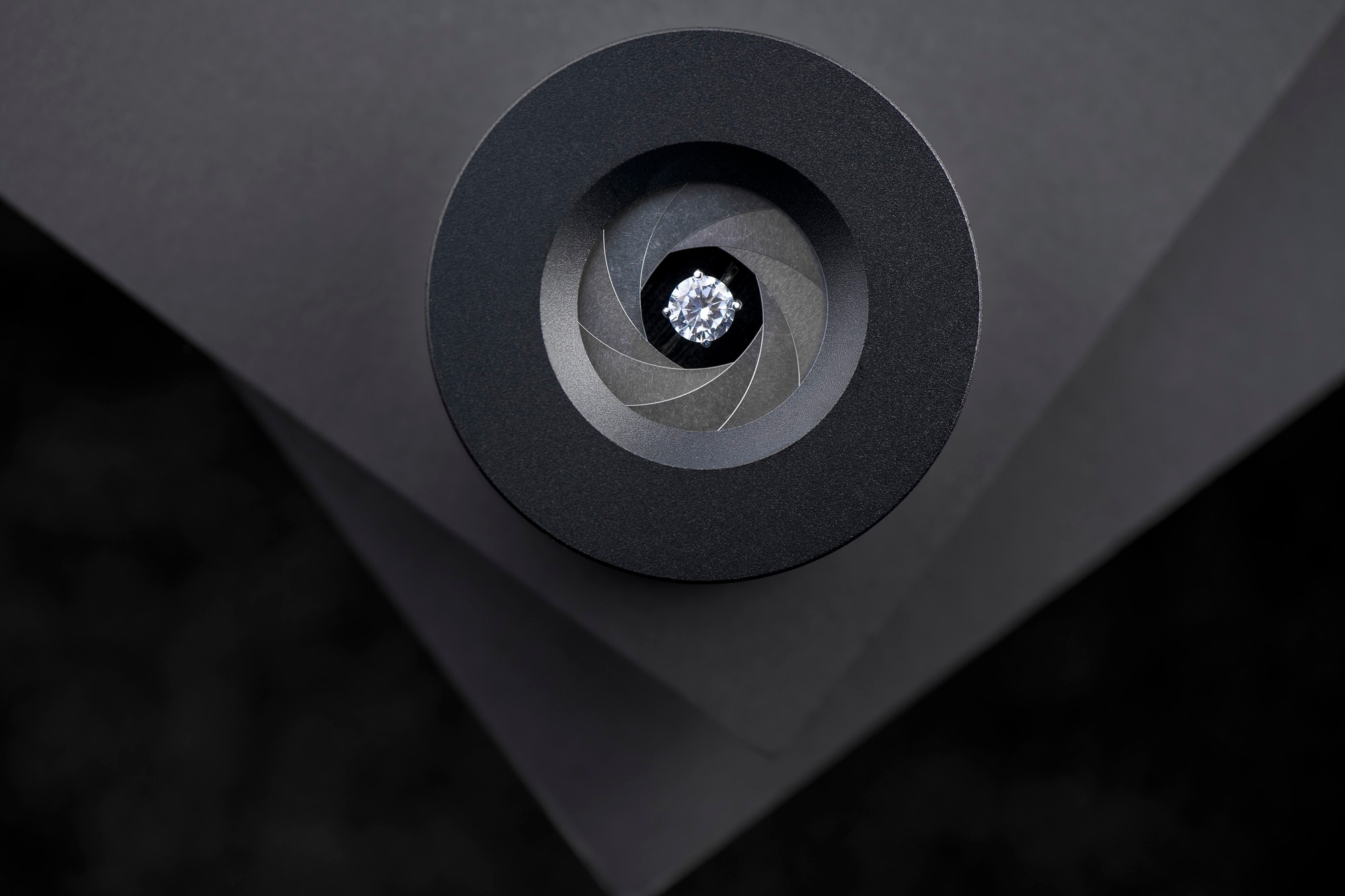
- Jewelry and luxury goods — close shots with detail to show shine and feel of high-end pieces.
- Architectural photography — outside and building shots for architects, developers, and publications.
- Interior and real estate photography — lifestyle and staged photos to market homes, hotels, or business spaces.
- Industrial and manufacturing photography — photos that show large machines, work, and factory spaces.
- Aerial and drone photography — overhead shots for real estate, building work, and landscape ads.
- Lifestyle photography — staged real-life settings that help tell what a brand or product is about.
- Corporate and portrait photography — headshots, team, and business portraits for companies and personal brands.
- Editorial photography — images made for magazines or web sites to match written stories.
- Advertising and commercial campaigns — shoots with an idea behind them that help sell across channels.
- Event photography — coverage of launches, trade shows, and advertising events.
- Food packaging and label photography — clear shots showing product and packaging for use on labels and displays.
- Sports and
Do you love photography and want to make your hobby your job? Starting a photography business as a commercial photographer can be a great choice. The work lets you use your creative side and also learn about business. This helps you show brands and their stories through your photos.
To build a good photography business, you need more than just a good eye. You should have some technical skill, show a strong portfolio, and also understand business.
Starting out, you need to learn how to do the work. You also have to practice with different types of commercial work. It’s important to build a set of images that show what you can do. In this guide, we will look at what equipment and skills you need. We will talk about how to set up your first photo shoot. We will show you how to build your portfolio and how to find clients.
What You Need to Get Started (Equipment & Skills)
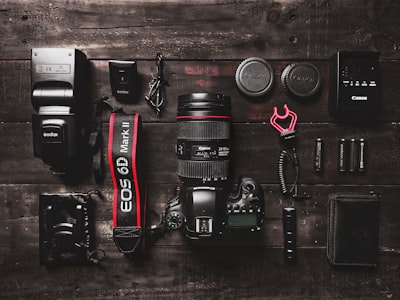
Getting started in commercial photography means you need some good gear and key skills. You do not have to buy the most costly camera at first. But it is a good idea to spend money on things that give you a good base. A full-frame DSLR or a mirrorless camera is a good place to start for most people.
Your choice of lenses will really change the way your photos look. A zoom lens like a 24-70mm is good for many things. Prime lenses, such as a 50mm or 85mm, are great if you want to take portraits or close-up shots. You should also get some good lighting equipment. A solid tripod and other accessories will also help you when you work.
Technical skills are just as crucial as equipment.
- Photography Skills: It is good to get to know your camera’s manual controls like aperture, ISO, and shutter speed. You should also know the basics of how to set up a photo and use light well.
- Editing Software: You need to know how to use adobe photoshop and lightroom. These are key for editing your photos after you take them and making them look their best.
- Soft Skills: Professionalism matters. Being able to talk well with people and work with clients helps you succeed.
Step-by-Step Guide to Your First Commercial Photoshoot
Your first commercial photography shoot may feel big and a bit scary, but with good planning, it can go very well. The most important thing is to start the commercial work with clarity and a clear plan. Before you pick up your camera, talk to your client in detail. Take time to understand what they want, what their goals are, and what they expect from the photography shoot.
Make a shot list before you start shooting. This will help you get all the important pictures you need. Think about storytelling and what you want the photos to say. Get the props and backdrops that you need for this. Make sure the props match your brand’s style.
While you are at the shoot, it is good to stay organized. Make sure to talk with your client often. You can show them a few shots on your camera to check if you are going the right way. Also, be open to changes, because some great shots can happen when you do not plan for them.
Phase | Key Actions | Goal |
|---|---|---|
Pre-Production | Client consultation, create mood board, develop shot list, location scout | Achieve clarity on the vision and plan logistics |
Production | Set up lighting and equipment, direct the shoot, capture images from the shot list | Execute the plan efficiently and creatively |
Post-Production | Select best images, edit for color and tone, retouch as needed, deliver final files | Polish the images and meet client expectations |
Step 1: Building a Portfolio and Gaining Experience
Your portfolio is the most important thing for you as a new commercial photographer. It is like a visual resume. It shows what you can do, how you work, and your style to people who might want to hire you. To get started, you do not need paid work to build a good portfolio. You can start by making your own projects.
Offer free or low-cost shoots to small local businesses, friends, or non-profits. This helps you practice, try out new types of commercial photography, and build up your portfolio with good images. You can also set up your own editorial shoots to show others how creative you can be.
Once you have good pictures, you can make a professional online portfolio website. You should also share your work on social media, like Instagram. A strong portfolio shows that you are a professional photographer. It will help you get your first paid jobs.
Step 2: Connecting with Clients and Setting Rates
Once you have your portfolio, you can start looking for commercial clients. A good way to begin is to contact some local businesses that might want better pictures. You can talk to art directors, marketing managers, and the people who work at advertising agencies. A lot of them hire photographers and give out work.
Setting your rates can be hard when you start a photography business. You need to think about your skill, how tough the job is, and what the client will do with the photos. Take some time to see what other people in your area are asking for the same work. Don’t feel bad to ask for the amount you feel you deserve.
When you start, you may set a price for each hour or choose one amount for the whole job. After you get some experience, you can switch to day rates because people in the industry use them a lot. Always make sure you have a clear contract with your client. The contract should say what the work is, what you must give, and when you will get paid. This helps protect you and your client.
Conclusion
In short, commercial photographers help shape how people see a business or a brand. They be good at making pictures that boost marketing. The images they create tell stories that reach people in a good way. If you know about this type of work, as a client or someone who wants to do it, you can see how commercial photography helps a company do well. A good photographer can make a brand stand out more in the market. When you feel ready to make your pictures better, you can ask for a talk about how commercial photography can help you.
Frequently Asked Questions
What qualifications or experience do commercial photographers typically have?
You do not need a formal degree to be a commercial photographer. Most who do well in the photography business have a strong portfolio and hands-on practice. A lot of people start by working as assistants or they can learn at workshops. It helps a lot if you have experience in editorial shoots and if you know how to work with art directors. To run your own photography business, you must also have good business skills.
How much does a commercial photographer usually charge in the United States?
A commercial photographer’s prices can be very different. The cost depends on the photographer’s experience, what the project needs, and how the images will be used. Someone new in this work may charge $150 to $250 each hour. More experienced photographers can ask for $1,000 to $5,000 or even more for one day.
The total project fee for commercial clients can change a lot. It will depend on how complex the job is. It also depends on what the commercial clients want and need for their marketing materials.
What should businesses look for when choosing a commercial photographer?
When you hire a commercial photographer, look at their portfolio first. The photos should match your brand’s style. Check their professionalism and see how they talk with you. Make sure they know your business objectives and can understand them well. A good photographer will make images that connect with your target audience. They will help you reach your goals, too.
What tips can help beginners succeed in commercial photography?
Beginners in commercial photography need to get good at using their camera and tools. Try different photoshoots and get many types of shots for your portfolio. It’s helpful to work with top photographers to learn more. Find a style that shows who you are. Put focus on authenticity and storytelling in your photos. This is important if you want to stand out and connect with people or future clients.