The Strategic Guide to Corporate Event Photography: How to Secure High-ROI Brand Assets
Every marketing director has faced that budget conversation: "Do we really need a professional photographer?" The answer isn't found in the cost column — it's found in what you're actually acquiring. Investing in corporate event photography services isn't merely a line-item expense; it's an asset acquisition strategy. A single well-executed event can generate a library of brand imagery that serves recruitment campaigns, annual reports, LinkedIn social proof, and executive communications for the next 12–18 months — long after the venue has been broken down and the catered food forgotten.
"High-quality images of a packed room or engaged audience are among the strongest signals of industry authority you can publish online."
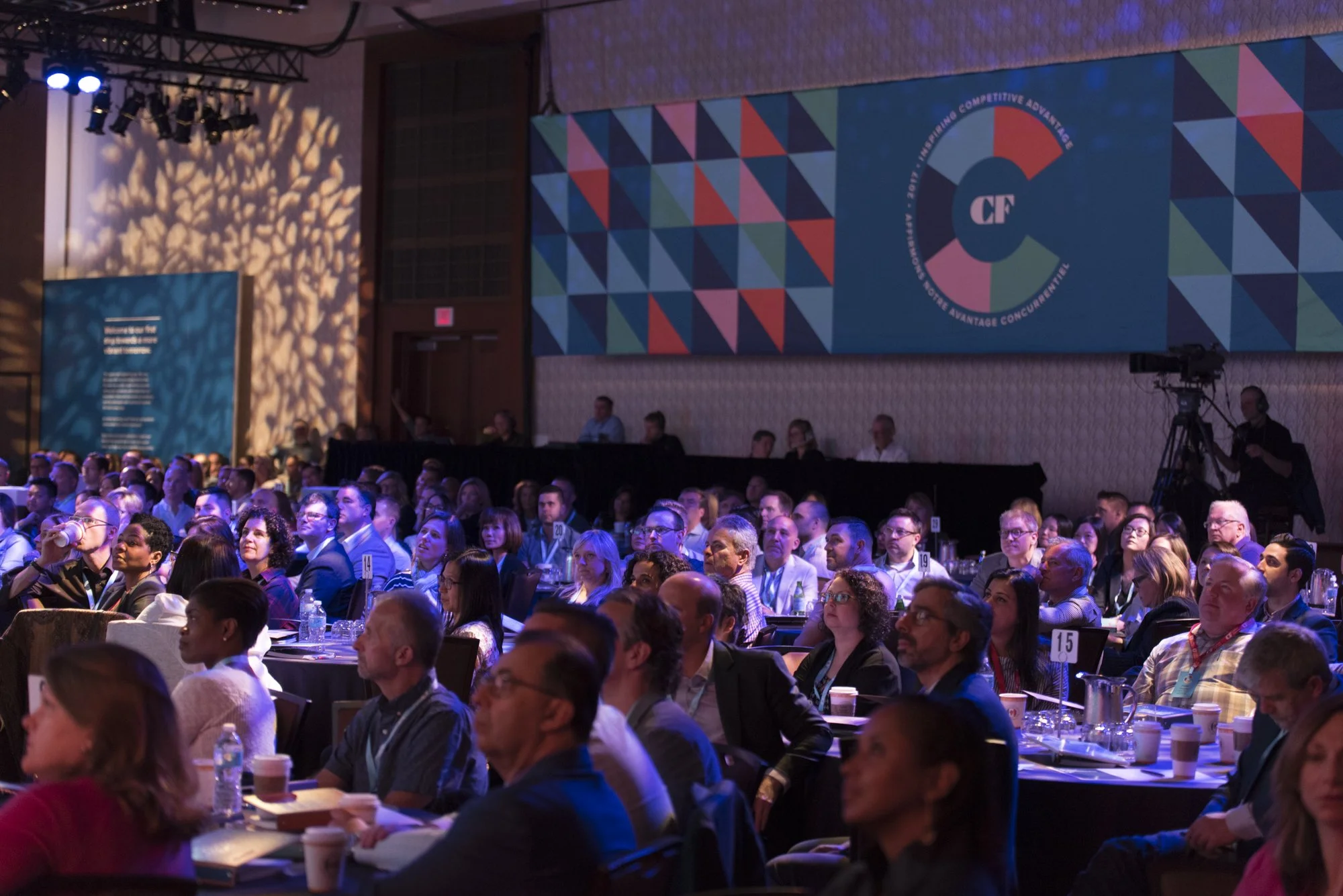
That longevity matters. What typically happens is that organizations invest heavily in an event, then scramble with low-resolution cell phone photos when the content calendar comes calling three months later. Professional photography eliminates that gap entirely.
There's also a critical distinction worth making: there's a difference between hiring a shooter — someone who shows up, captures frames, and delivers a drive link — and engaging a genuine brand partner who understands your messaging objectives, audience personas, and downstream marketing needs. That difference shapes everything from the post-processing timeline to the professional event photographer deliverables you actually use.
The strategic approach starts well before the event itself.
The ROI of Professional Corporate Event Photography
Every marketing director has faced that budget conversation: "Do we really need a professional photographer?" The answer isn't found in the cost column — it's found in what you're actually acquiring. Investing in corporate event photography services is not merely a line-item expense; it's an asset acquisition strategy. A single well-executed event can generate a library of brand imagery that serves recruitment campaigns, annual reports, LinkedIn social proof, and executive communications for the next 12–18 months — long after the venue has been broken down and the catered food forgotten.
"High-quality images of a packed room or engaged audience are among the strongest signals of industry authority you can publish online."
That longevity matters. What typically happens is that organizations invest heavily in an event, then scramble with low-resolution cell phone photos when the content calendar comes calling three months later. Professional photography eliminates that gap entirely.
There's also a critical distinction worth making: there's a difference between hiring a shooter — someone who shows up, captures frames, and delivers a drive link — and engaging a genuine brand partner who understands your messaging objectives, audience personas, and downstream marketing needs. That difference shapes everything from the post-processing timeline to the professional event photographer deliverables you actually use.
The strategic approach starts well before the event itself.
Step 1: The Pre-Event Strategy and Shot List Consultation
The best corporate event photos aren't captured on the day — they're planned weeks before. A structured pre-event consultation is what separates a polished brand asset library from a folder of random candids. For marketing directors who want predictable, high-quality professional event photographer deliverables, this planning phase is where that outcome is determined.
Start the process by sharing a detailed event itinerary and VIP list with your photographer. A professional should ask for a 'must-have' list that includes specific VIPs, keynote speakers, and branding signage, so nothing critical is left to chance. Think of this as your shot brief — a clear contract between your marketing goals and the photographer's lens.

Scheduled moments to include in every briefing:
'Grip and Grin' photos — executive handshakes and award presentations that require precise timing
'Step and Repeat' setups — branded backdrop portraits for press and social media use
Branding signage and detail shots — sponsor logos, registration tables, and environmental branding for marketing collateral
Keynote and panel coverage — stage wide shots, speaker close-ups, and audience reaction frames
Site visits or technical briefings are required to determine gear needs for difficult lighting conditions like fluorescent bulbs or LED screens — a reality that surprises many first-time corporate clients. Skipping this step can mean blown-out screens and unflattering color casts across your final images.
Assessing stage heights, natural light windows, and ambient artificial lighting during a walkthrough lets your photographer arrive prepared — with the right lenses, flash modifiers, and backup equipment. That preparation pays off in post.
With your shot list finalized and the venue assessed, the next practical step is making sure the legal and logistical framework protects both sides of the agreement.
Step 2: Navigating Contracts, Insurance, and Legal Safeguards
With your shot list and strategy locked in, the next step before hiring a corporate event photographer is arguably the least glamorous — but it's where most marketing directors get caught off guard. Contracts and insurance aren't bureaucratic formalities; they're the framework that protects your brand assets and your organization.

Requirement - Why It Matters
Certificate of Insurance (COI)
Required by most corporate venues; confirms the photographer carries liability coverage if equipment damage or injury occurs on-site
Image Usage Rights
Defines whether your organization can use photos commercially (ads, campaigns) or only editorially (internal comms, press)
Cancellation & Rescheduling Terms
Protects both parties if the event is postponed or canceled due to weather, venue issues, or unforeseen circumstances
Force Majeure Clause
Covers extraordinary disruptions — pandemics, natural disasters — that make performance impossible for either party
Industrial Safety Protocols
If the event is on a manufacturing floor or job site, the contract should confirm PPE compliance and safety briefing requirements
The COI is non-negotiable. Corporate venues routinely require proof of liability insurance before any vendor — including photographers — can set foot on the property. Request this document before signing any agreement.
On usage rights specifically, contracts must clearly establish that your business owns the photos for unlimited commercial use, not just a restricted editorial license. Ambiguity here can limit your ability to use images in paid campaigns or brand collateral.
With the paperwork in order, what happens on the actual event day comes down to execution — and that's where professionalism becomes visible.
Step 3: Managing On-Site Execution and Professionalism
With contracts signed and logistics confirmed, the quality of your final assets comes down to what happens in the room. A skilled corporate event photographer operates almost invisibly — and that's exactly what you should expect.
Presence: The Discreet Presence Rule
Silent shutters and business-appropriate dress aren't optional extras — they're baseline professional standards. According to industry experts and industry insights, photographers should use silent electronic shutters during keynotes and panel discussions, and they should dress in business casual or all-black attire to blend with staff. A photographer who clicks loudly through a CEO's opening remarks or shows up in jeans is already creating a problem for your brand.
Coverage: The Wide, Medium, Tight Strategy
Compelling event storytelling relies on shot variety. As industry shot list analysis outlines, effective coverage blends three distinct perspectives:
Wide shots — establishing the room scale, crowd size, and venue branding
Medium shots — networking moments, panel dynamics, and audience engagement
Tight shots — expressive faces, speaker emotion, and close-up brand signage
This layered approach gives your marketing team genuine flexibility across press releases, social media, and internal communications. One powerful image rarely does all that work alone.
Technical Adaptability: Handling Challenging Lighting
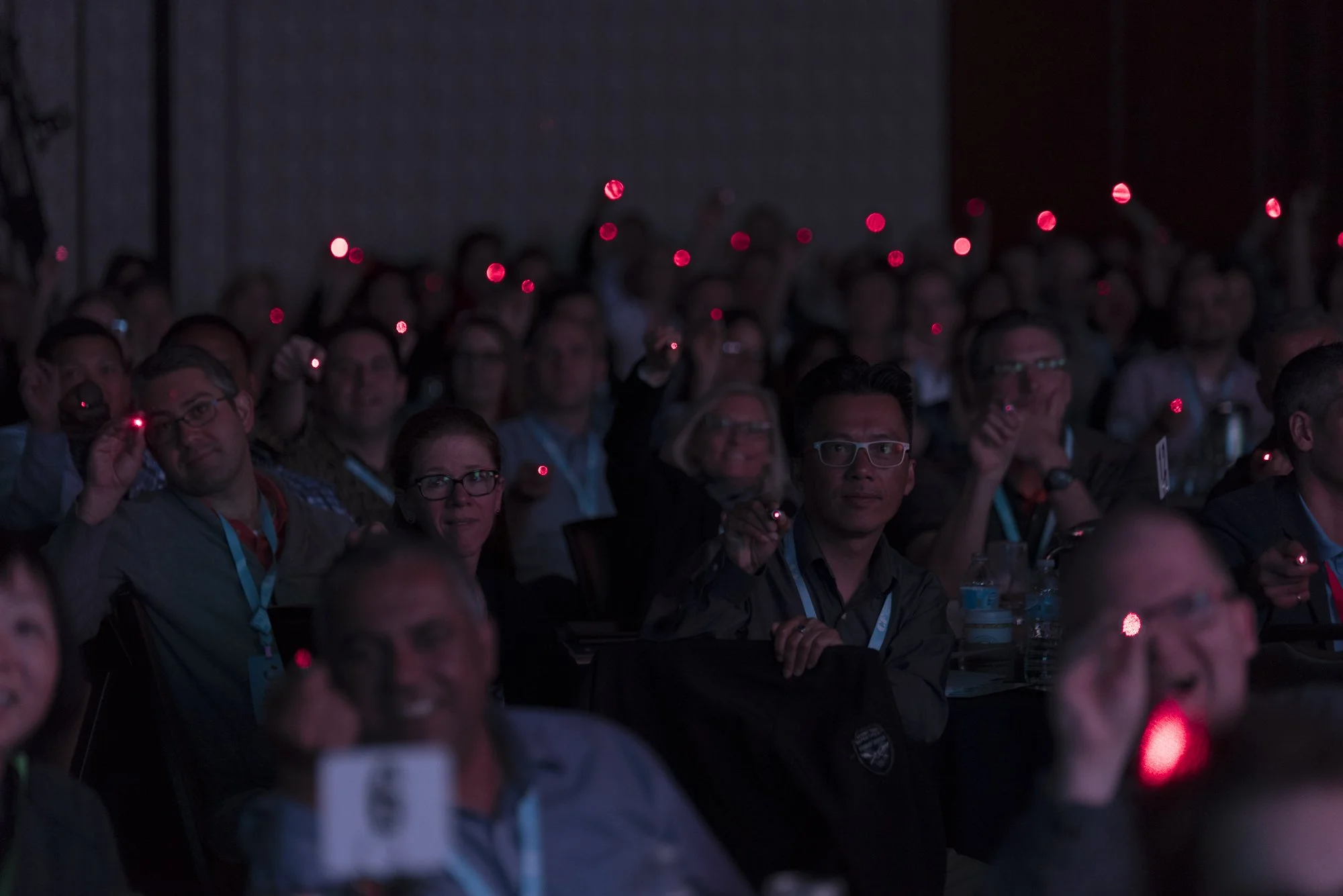
Dark ballrooms and high-contrast LED stages are among the most technically demanding environments — comparable in complexity to industrial photography, where mixed lighting and fast-moving subjects demand constant adjustment. Expect your photographer to work with fast prime lenses, adjust ISO in real time, and bracket exposures during awards segments without slowing the program.
Directing group shots follows similar logic: a confident photographer can position 20 executives in under three minutes without stalling your agenda. Once you understand what great on-site execution looks like, the natural next question is what you should receive after the event wraps.
Step 4: Post-Event Deliverables and the PR Timeline
The work doesn't stop when the venue clears out. Knowing what to expect after the shoot is just as important as planning what happens during it — and it's one of the most overlooked aspects of sourcing corporate event photography services.
Here's what a professional post-event workflow should look like:
The Social Media Teaser (Within 24 Hours): A strong photographer delivers 5–10 polished highlight shots the next morning. These aren't just quick exports — they're color-corrected, cropped, and ready for LinkedIn or your press release. Speed matters here; your event's buzz has a short shelf life.
Culling vs. Raw Files: Never ask for every raw file. What sounds like more value is actually a liability. You'd receive thousands of unedited images — duplicates, test shots, motion blur included. A professional curates the best frames so you don't have to. According to Pixel Studio Productions, expect a curated gallery of approximately 50–100 edited images per hour of shooting.
Standard Gallery Delivery: Turnaround time for a full corporate gallery is typically 3–7 business days, as noted by Live Group's Event Photographer Guide. Build this timeline into your PR and content calendar from day one.
Digital Hosting and File Formats: Reputable photographers deliver through password-protected online galleries, offering both high-resolution files for print and web-optimized versions for digital campaigns. Confirm this is included before signing.
A clean deliverables structure protects your timeline and your brand. As you'll see in the conclusion, these details are the foundation of a visual library that keeps working long after the event ends.
Frequently Asked Questions
What should I include in a shot list for a corporate event?
Your shot list should cover key moments like VIP speeches, audience reactions, branding elements, and networking interactions. Include specific requests for 'grip and grin' photos, 'step and repeat' setups, and detailed shots of signage and sponsor logos to ensure comprehensive coverage.
How do I verify a photographer's insurance and credentials?
Request a Certificate of Insurance (COI) from your photographer, which confirms their liability coverage. Additionally, ask for references or a portfolio of past work to verify their experience and professionalism. Most reputable photographers will readily provide these documents.
What is the typical turnaround time for receiving edited event photos?
The standard delivery time for a complete gallery is typically 3–7 business days. However, you should expect a set of 5–10 polished highlight shots within 24 hours for immediate social media and PR use. Discuss these timelines upfront to align with your content calendar.
How do I negotiate image usage rights with a photographer?
Clearly define your needs in the contract. Ensure it specifies whether you have commercial or editorial usage rights. For comprehensive marketing use, negotiate for unlimited commercial rights, allowing you to use the images across ads, campaigns, and brand collateral without restrictions.
What are common pitfalls to avoid when hiring a corporate event photographer?
Avoid hiring based solely on price; instead, focus on experience and alignment with your brand needs. Ensure all legal and logistical details, like insurance and image rights, are covered in the contract. Finally, don’t overlook the importance of pre-event planning to ensure your photographer captures all essential shots.
Conclusion: Maximizing Your Visual Library
Hiring the right corporate event photographer isn't a one-time transaction — it's a strategic investment in your brand's visual identity. From establishing a clear brand storytelling mandate before the shoot to managing deliverables on a PR-friendly timeline, every step in this guide exists to ensure your images work as hard as your team does.
As one practical principle holds: the photos should tell the story of your event's success, serving as social proof for future stakeholders, partners, and prospects. That narrative value compounds over time — but only if you've protected it properly.
Key Takeaways
Strategic Asset Acquisition: Investing in corporate event photography services turns a single event into a long-term brand asset.
Pre-Event Planning: A detailed shot list and venue assessment are crucial for capturing high-quality images that align with your marketing goals.
Legal Protections: Ensure contracts cover image usage rights, insurance, and safety protocols to protect your brand assets.
Professional Execution: A skilled photographer blends into the background while capturing a variety of shots to tell your event's story.
Timely Deliverables: Quick turnaround for social media teasers and a curated gallery ensures your event's impact is maximized.
Client Success Checklist
Before your next hire, confirm all five boxes are checked:
✅ Equipment backups — Confirm your photographer carries redundant camera bodies and storage
✅ Liability insurance — Verify venue-compliant coverage is in place before day one
✅ Image usage rights for commercial photography — Ensure your contract grants full commercial licensing, not limited personal use
✅ Turnaround speed — Agree on delivery windows in writing, tied to your PR timeline
✅ Brand alignment — Brief the photographer on visual guidelines and key stakeholders
Finally, don't underestimate the value of a long-term vendor relationship. Consistency in style, brand familiarity, and mutual trust make every subsequent event smoother and more effective.
Ready to build a visual library that drives real business results? Start your photographer search with this checklist in hand.