Top 360 Product Photography Software to Boost E-commerce Sales
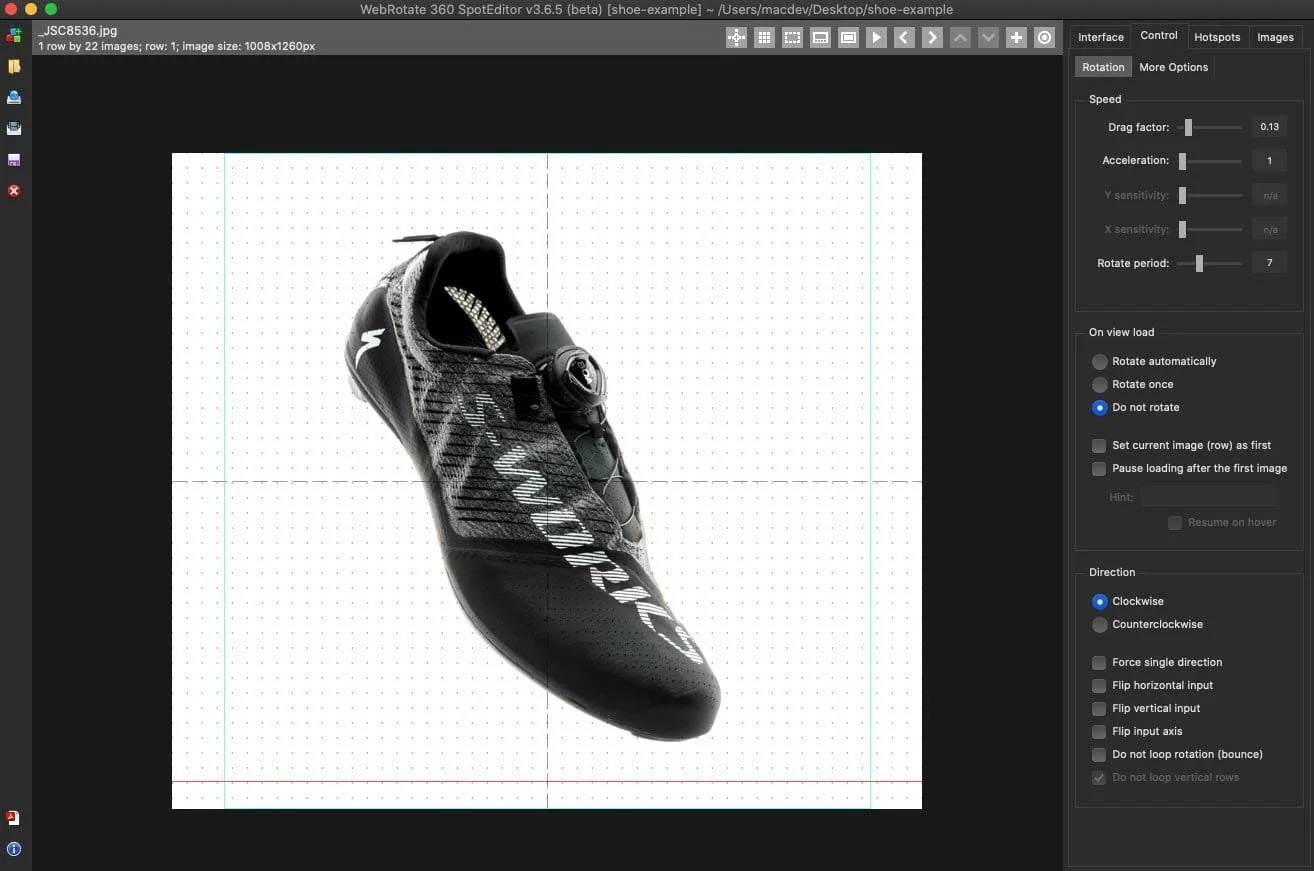
Choosing the right 360 product photography software can be the difference between a product listing that converts and one that gets scrolled past. As e-commerce competition intensifies, shoppers expect more than a single static image—they want to spin, inspect, and interact with products before they buy. That's exactly what these tools deliver. In this guide, we'll break down the top solutions available today, covering automated systems and traditional capture workflows. Moreover, we'll explore 360 image hosting platforms that tie your e-commerce product visuals together, so you can find the right fit for your business, budget, and catalog.
What is 360 Product Photography Software?
360 product photography software is a digital tool that creates interactive, rotating images of products—letting customers view an item from every angle without ever picking it up. You use this software to stitch together a series of rotation frames into a single interactive file, whether that's a fully spinnable viewer or a simple auto-rotating loop.
Some solutions handle the entire workflow: capture, edit, and publish. Others focus on a specific piece of the puzzle, like processing and 360 image hosting, ensuring your finished spins are delivered fast and reliably to shoppers wherever they are.
There are several distinct approaches to creating these 360 images, and the right one depends on your budget, volume, and how much control you want over the final result.
Automated Solutions for 360 Degree Product Photography
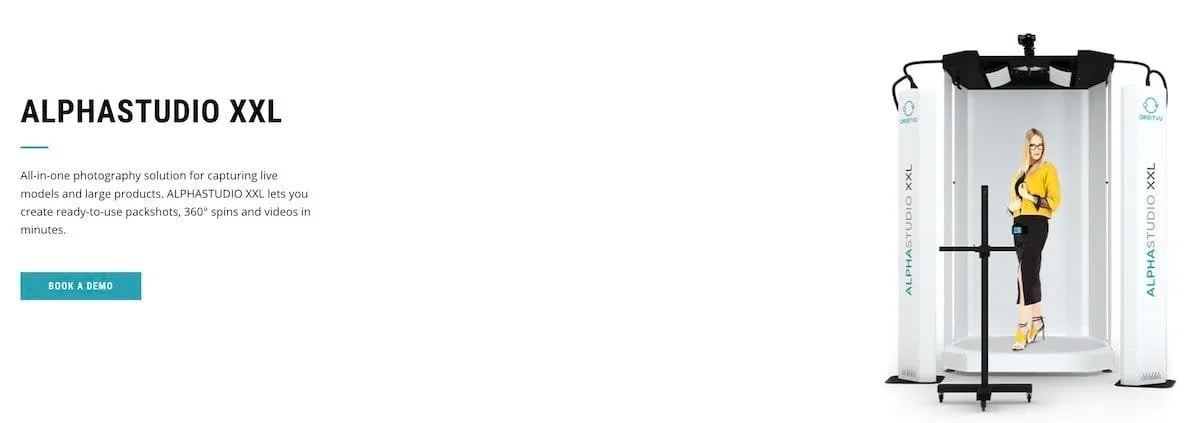
Automated 360 product photography allows users to capture 360-degree images automatically from all angles using specialized equipment, such as rotating turntables, cameras, and software.
Big companies that can afford to automate fully commonly use this solution. With a bit of manual reading, you can shoot amazing 360-spinning images.
After implementing an automated solution for 6 months, we saw a 40% increase in production efficiency, allowing us to process 23% more orders. This automated solution has its pros and cons. Here are some:
Pros
Increases turnaround times
Processes more orders in less time
Consistent results
You don't need to be a photographer to operate it
It takes less space to produce the images in some cases. This is dependent on the product size
Cons
It's pretty expensive to acquire the equipment.
It needs different devices for the type of product
If you need to solve a photography challenge, you can get stuck
The learning curve is less steep.
Less creative. It's a volume solution.
This automated 360 photo solution ranges from $10,000 for small products to $40,000 for larger items to buy the equipment.
Traditional Workflows for 360 Product Photography Software

A traditional 360 product photography solution involves shooting a full product rotation and then stitching the frames together using specialized software. This method relies on traditional photography gear—camera, tripod, lights, turntable—giving you hands-on control over every aspect of your e-commerce product visuals, from lighting mood to background style.
Research from MIT indicates that interactive product images can increase viewer engagement by 30%, making traditional 360 setups a viable choice for brands focused on branding and creative outputs.
This traditional solution has its pros and cons too:
Pros
More affordable entry point for getting started with 360 degree product photography.
You can repurpose the gear for any product. Simple changes go a long way.
No ceiling for creativity—your 360 degree product photography can look distinctly yours, not like everyone else's catalog.
Consistent results, as long as you have the right photographer behind the camera.
The finished spins carry a creative touch that automated systems simply can't replicate.
Cons
The learning curve is steeper to get the proper results.
You need a product photographer in some cases.
You need more space to execute the photoshoot
It takes more time to produce high-volume images.
This traditional 360 photo solution ranges from $3,000 to $10,000 USD.
When digging into 360 product photography, you should pay attention to the platform where the 360 images will be hosted.
E-commerce Platform
Make sure your e-commerce platform runs in sync with the file output you receive from your 360-degree photography software before starting this technique. Usually, the output is an HTML, animated GIF, or video.
The most common e-commerce platforms ready for 360 photography are:
Amazon
Shopify
WordPress and Woocommerce
Adobe Commerce (previously Magento)
PrestaShop
BigCommerce
OpenCart
Joomla
Squarespace
Weebly
Wix
Depending on the platform and the 360 software you use, you might need a plug-in to run the interactive image on your e-commerce site.
Hosting the 360 Image
Even though we are talking about one 360 picture, it is composed of 12, 24, 36, 48, or even more images. This means there is a need for more space and processing power from the server where your website is hosted.
According to industry analysts at Gartner, hosting solutions that incorporate CDN technology can reduce load times by up to 50%, crucial for maintaining user engagement.
E-commerce sites like Amazon don't need 360 image hosting; they compose 360 images on their platform.
So, to make it simple, there are two options to host these 360 images on your eCommerce site:
Self-hosted Images
With self-hosted images, your files live on the same server as your website—which means you don't need to pay for a separate 360 image hosting service. That's a real cost advantage, especially when you're just getting started.
The trade-off is storage. Since a single 360 spin is made up of 12 to 36 individual frames on average, you're consuming significantly more server space than a standard product photo would.
Speed is the other concern. These are heavy assets, and slow load times can send shoppers straight to a competitor's site. One practical way to offset this is by adding a CDN (Content Delivery Network) to your website, which distributes your images across multiple servers so they load faster regardless of where your customer is browsing from.
360 Image Hosting
E-commerce platforms increasingly rely on 360 image hosting to provide customers with a better shopping experience.
If your website doesn't manage the 360 images like Amazon, you should consider a 360 image hosting.
This type of hosting offers many benefits:
Fast and reliable all the time. Your 360 images get replicated in different servers worldwide, so no matter where the client sees the image, it will load fast and smoothly.
Quick sharing & integration. You get a link to your hosted media and share it on any eCommerce platform.
Easy management. Uploading the images is as easy as posting photos on your social media.
This image hosting is ideal for those who don't need the shooting or editing part of the process. This is only if you have the final 360 ready to post.
Hostings
Many 360 image hostings offer 360 devices to produce great 360 product photography, like turntables, robotic arms, and lightboxes.
360 Product Photography Software
Many of the above-mentioned software provide all-in-one solutions for shooting, editing, and hosting. That's why you will see some repeated names on this list.
360 Software
Key Takeaways: Choosing Your 360 Degree Product Photography Strategy
Selecting the right 360 product photography software depends on your current scale and long-term e-commerce goals. Here is a quick summary to help you decide:
For High-Volume Retailers: Invest in an automated 360 photo solution. While the initial hardware investment is higher ($10k+), the speed of capture and consistency of your e-commerce product visuals will provide a faster ROI through reduced labor costs.
For Boutique Brands & Startups: Start with a traditional 360 product photography workflow. It’s more affordable and allows for greater creative control over lighting and styling, helping your brand stand out from generic catalog shots.
For Website Performance: Don't overlook 360 image hosting. If you have more than a handful of spins, using a dedicated hosting service is the best way to ensure fast load times and mobile responsiveness without bogging down your primary server.
For Conversion Optimization: Ensure your chosen 360 degree product photography tool supports deep zoom and mobile touch-gestures. If customers can't interact smoothly with the image, you won't see the full conversion lift that 360-degree visuals offer.
Conclusion
Implementing 360 degree product photography is no longer a luxury; it’s a strategic move to elevate your e-commerce product visuals and build buyer trust. To get started, you can:
Invest in an automated 360 photo solution for high-volume, high-speed needs.
Master the art of 360 product photography using traditional gear and specialized 360 product photography software.
Hire a professional photographer to ensure studio-quality results without the steep learning curve.
If you already have your images ready to go, choosing a dedicated 360 image hosting service is often the most frictionless path to maintaining fast load times. Alternatively, you can work with a web developer to help you embed the interactive viewers directly into your site’s existing architecture. Whichever path you choose, providing an interactive experience ensures your customers don't just look at your products—they experience them.